

Self-Build in the Cotswolds: Where Do You Actually Begin?
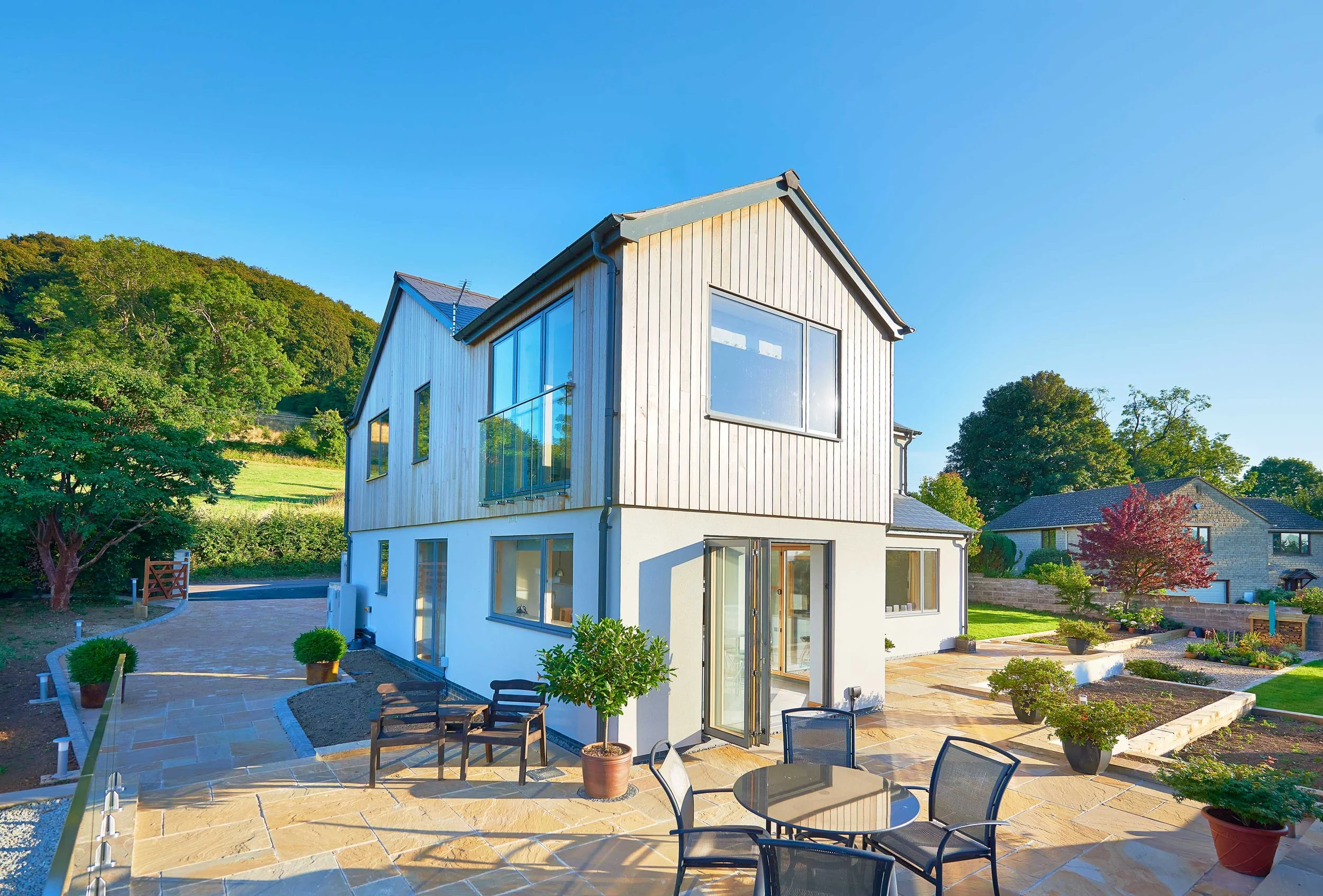
Embarking on a self-build project is one of the most exciting and rewarding ways to create a truly bespoke home. It offers the rare opportunity to shape a space that reflects not only your personal style, but the way you live, work and unwind.
Before the first sketch is drawn, though, it’s important to understand the early stages of a self-build project. The decisions made at the beginning will shape everything that follows. One of the biggest of these is choosing how your project will be set up and run. This choice affects cost, timing, quality and how involved you want to be.
Getting the right team around you and putting a clear structure in place early on makes all the difference. Done well, it means your vision can be delivered carefully, confidently and without unnecessary surprises, and importantly, on time and on budget.
Starting With the Big Decision: How Do You Want to Run Your Project?
A successful self-build begins with careful planning and decisions as to how the project will run. Every self-build will need to balance cost, time and quality. How you choose to organise the project (often called the “procurement route”) will shape how this balance plays out as well as influence your control in the build and the team around you. It can feel overwhelming but understanding your options puts you in a strong position to secure a plan for the work - a key ingredient in any successful project.
Here are the three most common routes for self-builders.
Design & Build
If your priority is having clear costs and a reliable timeframe, Design & Build could be your best route.
You create the overall design direction with your design team, and then a contractor takes responsibility for developing the detailed design and delivering the build. They organise materials, suppliers and trades, and become your single point of contact from start to finish.
The main advantage is predictability. Because one company is responsible for both design and construction, you usually get strong cost and time certainty and a simpler contract arrangement.
The trade-off? You hand over some control of the finer details. Many day-to-day decisions sit with the contractor rather than with you or your architect or design team.
This route is especially common in custom-build or modular homes, where companies already work from planning-approved drawings or standardised designs.
Management
For those who value flexibility and hands-on involvement, a client-led management route can be both empowering and cost-effective. Here, you effectively become the project manager. You will choose and buy materials directly and organise the different trades, making decisions as they arise, and shaping the specification as closely as you like. This level of direct oversight gives you greater control over quality and the freedom to adapt the project along the way, truly making it your own.
When managed well, this approach can also reduce costs, especially if you’re willing to take on some of the work yourself or negotiate directly with suppliers. However, it does come with challenges, the timeline can become unpredictable, costs can creep up and the process demands significant involvement and problem-solving.
This is the classic ‘Grand Designs’ route - highly rewarding if you are proactive and want to be involved in the detailed finish, but not without stress and complexity.
Traditional (A Balanced Approach)
The traditional route remains the most dependable and balanced option for many self-builders.
In this model, you first appoint a full professional design team to develop detailed drawings and specifications. Contractors will then price the same clear set of information, which means you can properly compare quotes and understand exactly what you’re getting.
This approach offers strong quality control, good cost clarity and clearly defined responsibilities. You gain the highest degree of influence over quality, good cost certainty, and well-defined contractual relationships. The main downside is that you need more design work completed before construction can begin.
For many people, this route offers the best blend of control, transparency and managed risk.
Roadmap Your Project: The Stages of a Self-Build
Building a home involves many moving parts. To keep everything organised, architects commonly follow a recognised framework that breaks the project into clear stages, set out by the RIBA, a well-established reference point when it comes to running a construction project. The Plan of Work is made up of eight work stages that each address a phase of a project’s progression, from start to finish.
These stages are usually grouped into three main phases, Pre-construction (planning and design), Construction (building the house) and Post-construction (handover and aftercare).
Think of it as a roadmap that keeps everyone aligned and moving in the same direction. Starting with the right preconstruction route sets you in good stead for a successful build.
Laying the Foundations for a Successful Self-Build
In a traditional self-build, you are at the centre of the project. Your team is there to guide and advise, but the direction ultimately comes from you.
Success can often be determined long before construction begins. The early stages are about setting strong foundations for the works ahead, not in concrete yet! but in clarity, information and confident decision-making.
This is when you’ll:
Carefully assess the site
Understand planning constraints
Consider access, services and ground conditions
Think about neighbours and potential restrictions
Commission surveys such as topographical, ecological, measured or asbestos surveys
These early investigations do involve upfront cost, but they prevent much bigger issues later. They reduce the risk of redesigns, planning refusals or unexpected budget increases.
By the end of this pre-construction phase, you should have:
A clear plan
A realistic budget
Confidence that your project is achievable
By getting these early stages right, the rest of the project becomes clearer, calmer, and far more likely to succeed.
For more information about this and all the stages of a self-build project, give us a call to discuss your project and get a consultation.