

Supporting Nailsworth’s community-centred gardens
Being a B Corp is just as much about putting social responsibility at the forefront of our business as it is environmental sustainability (the business term for this is Environmental, Social Governance or ESG). As a small business, we do not have bundles of cash to splash in sponsorship deals or charity donations, rather, we have created a culture of giving back by helping our community thrive through donating our skills, knowledge and time. This gives us a deeper connection to our environment and the people in it.
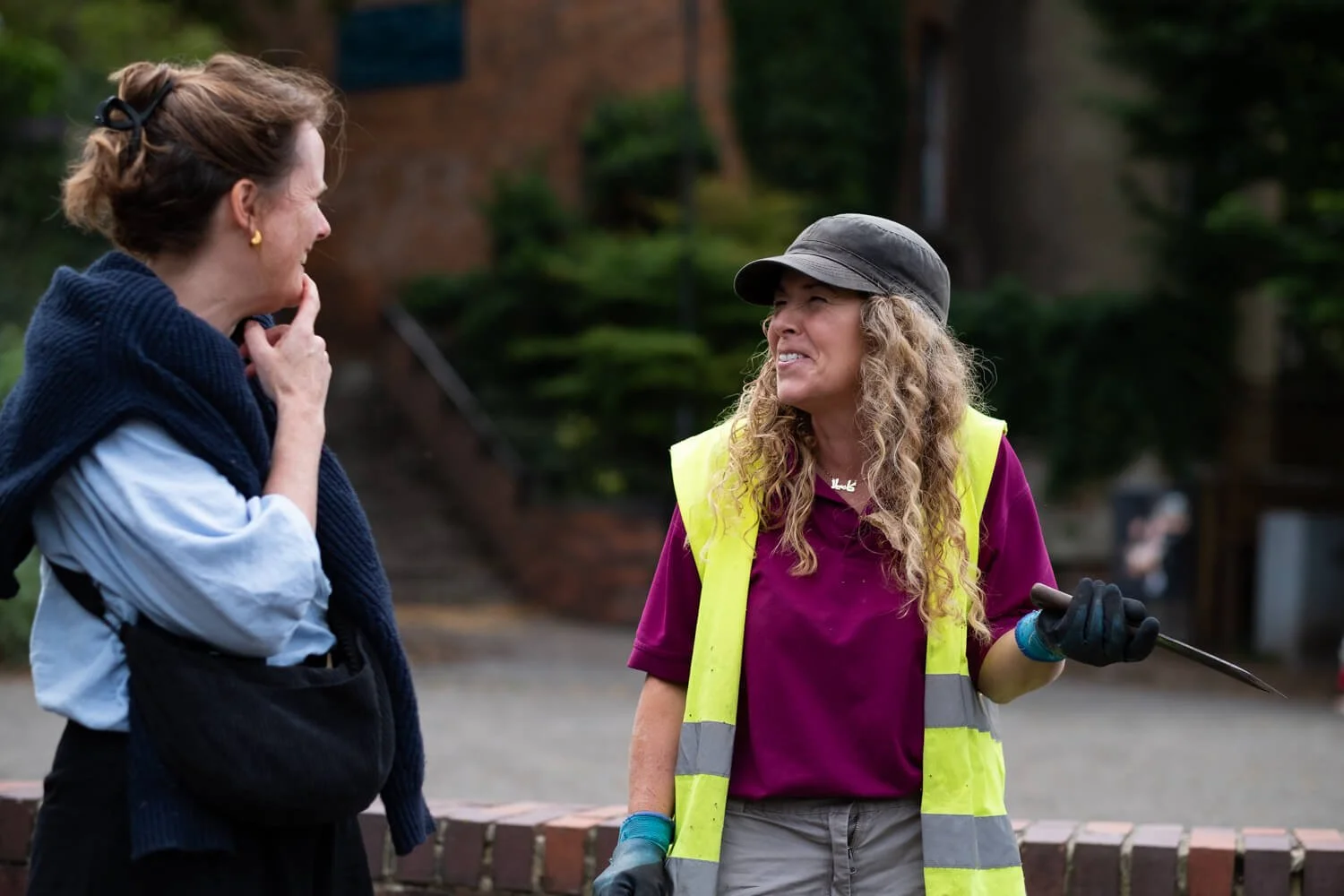
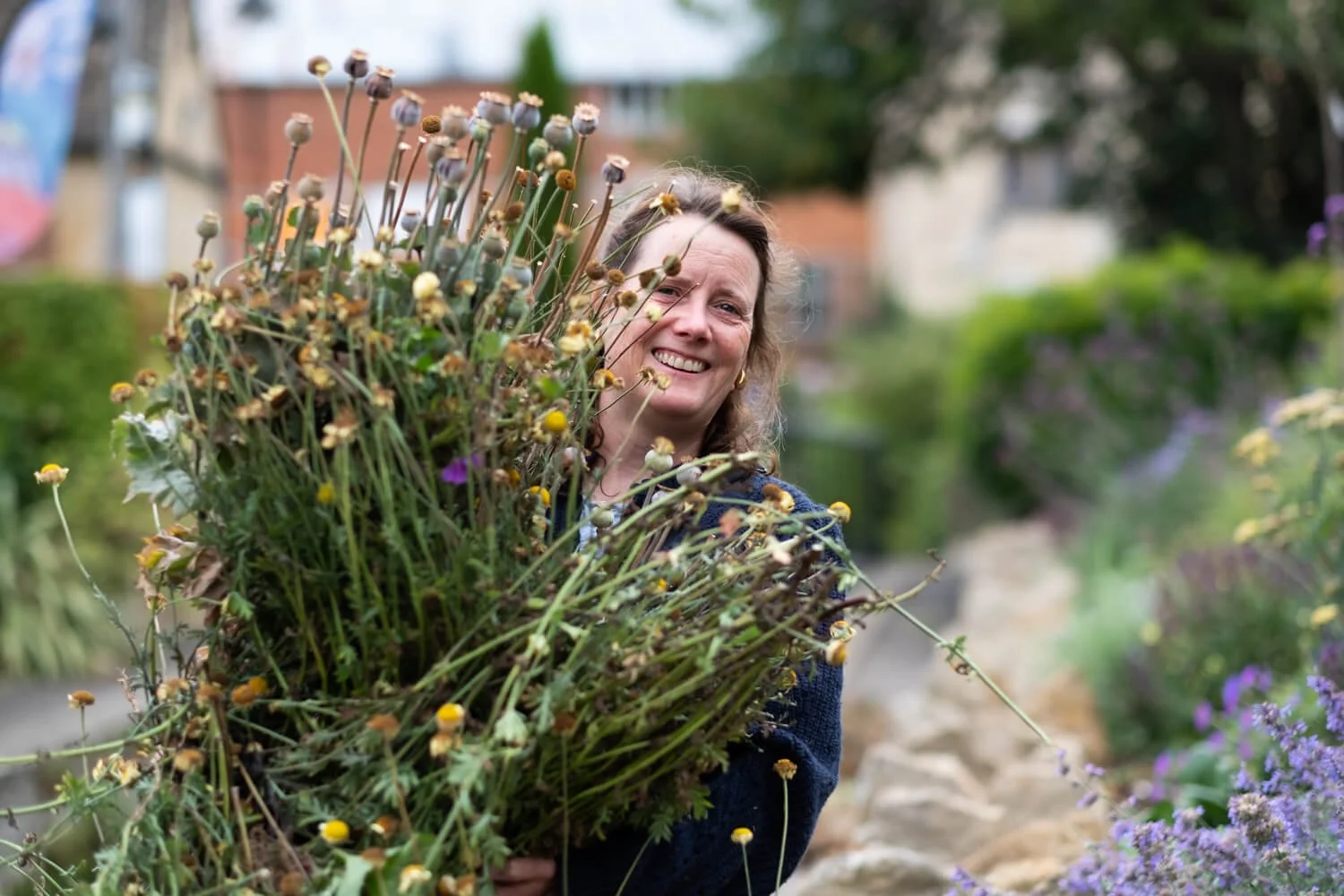
In line with this ethos, we have volunteered time over the past year to support two gardens that are important to the Nailsworth community, in partnership with Nailsworth Town Council and Nailsworth in Bloom. Both projects are about taking a sensitive and sustainable approach to placemaking, encouraging community engagement, improving biodiversity, and creating spaces that respond to the needs of both people and nature.
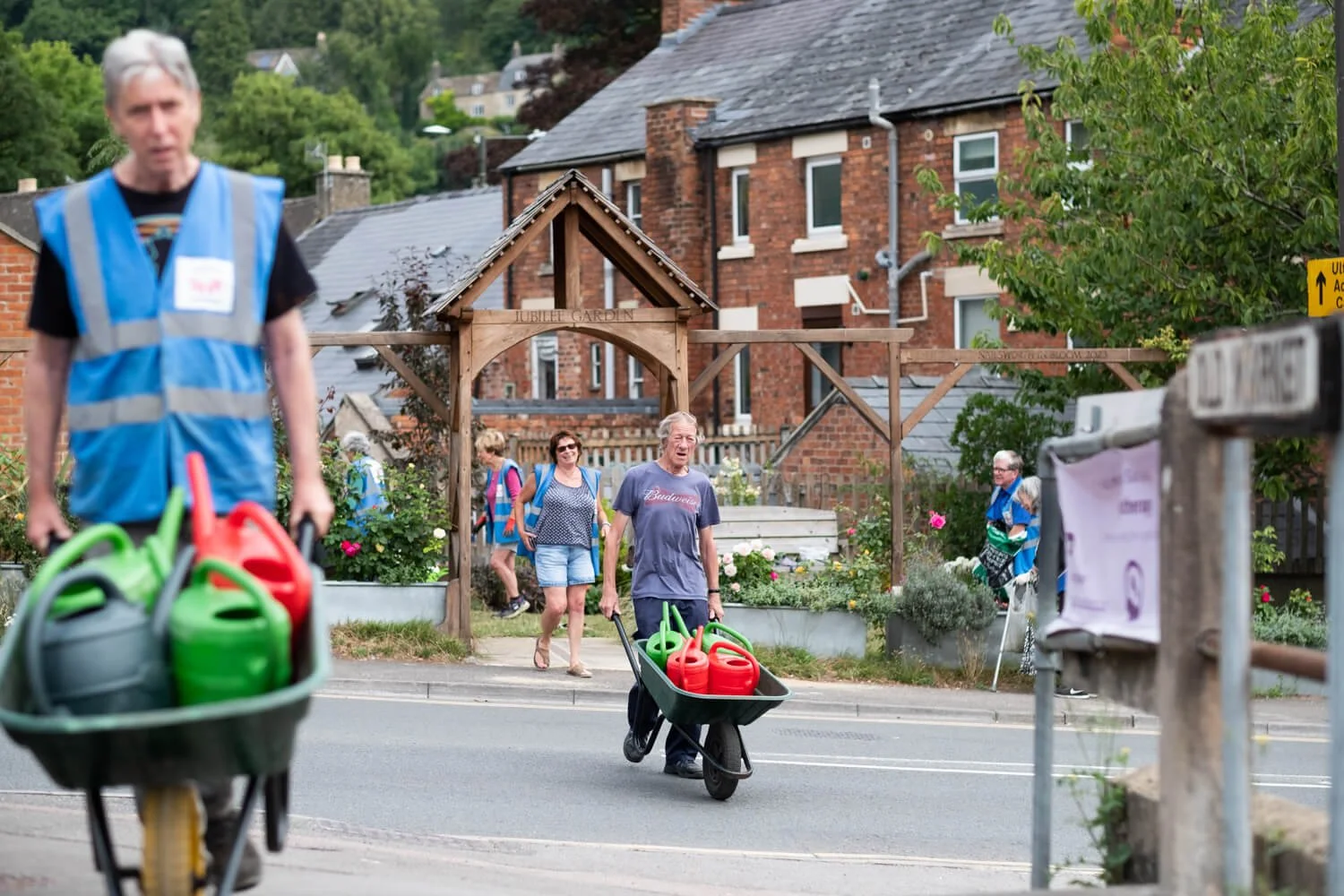
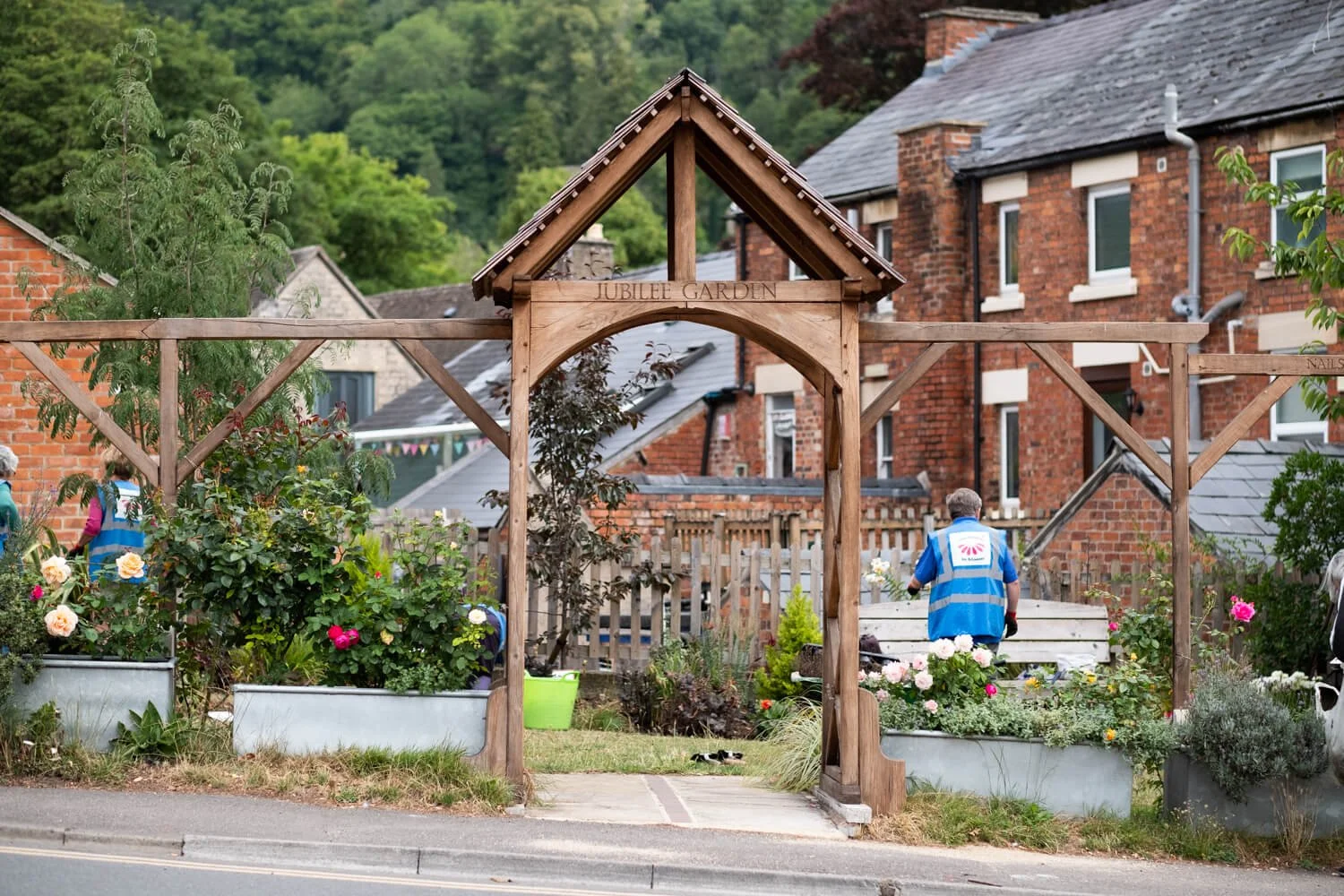
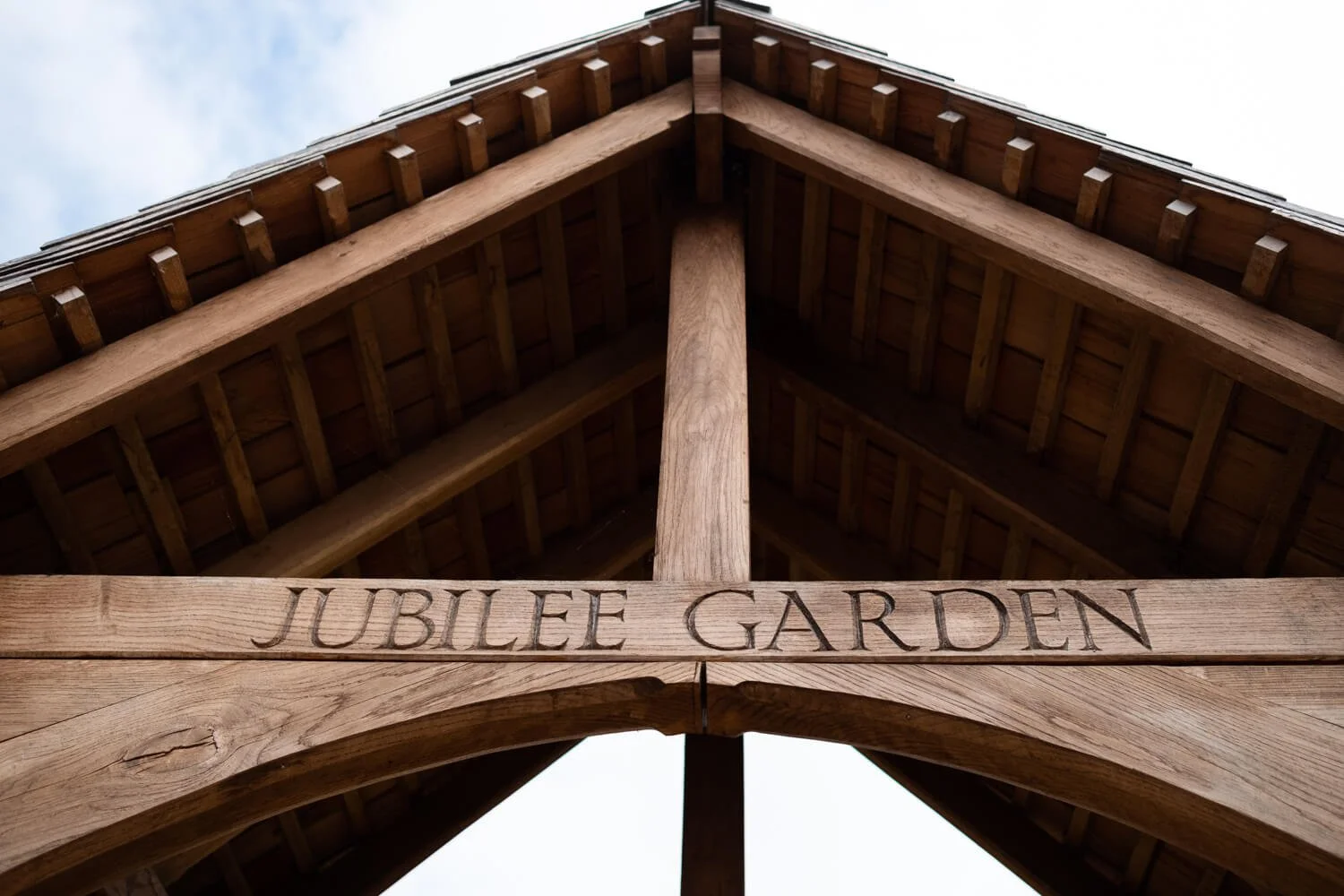
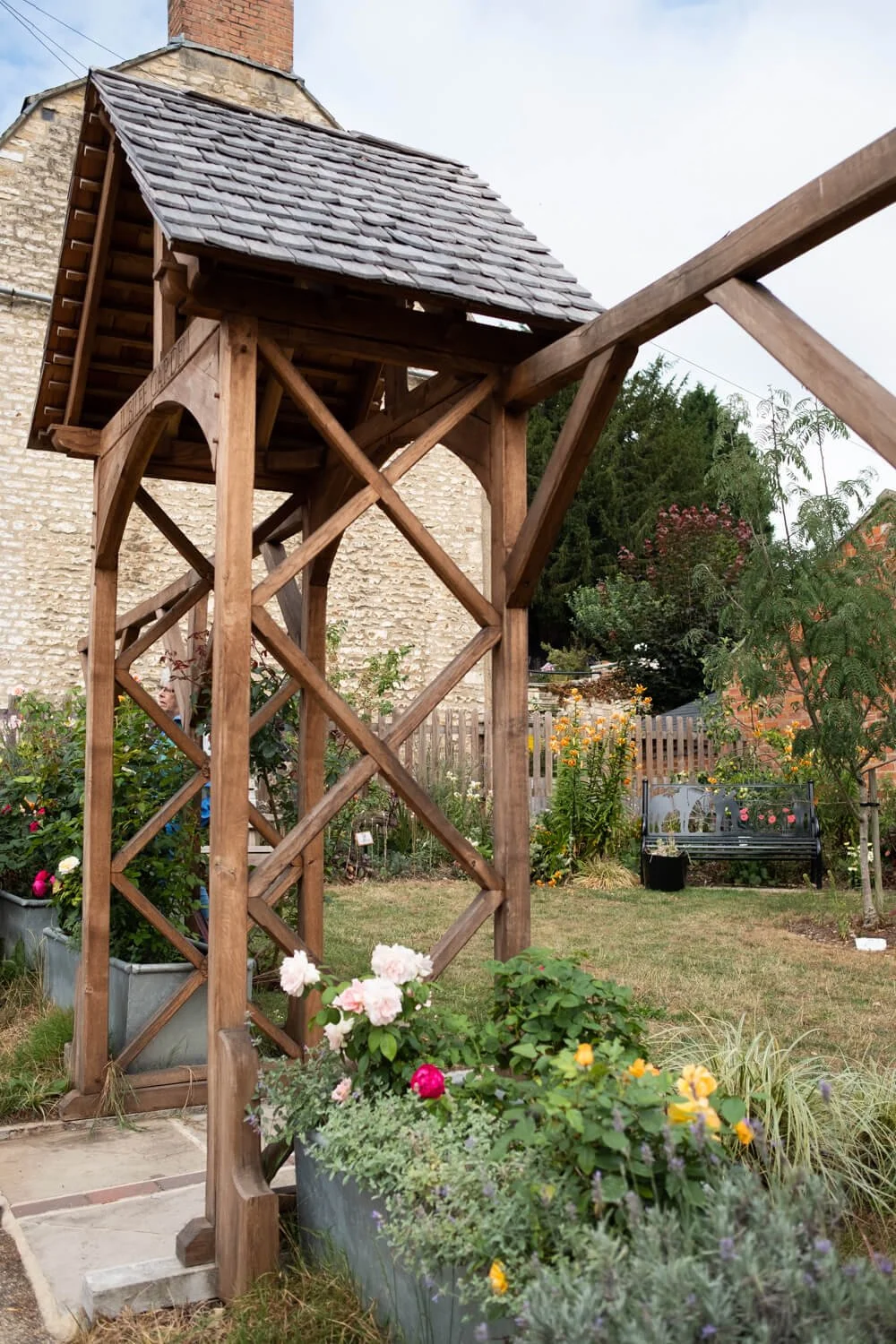
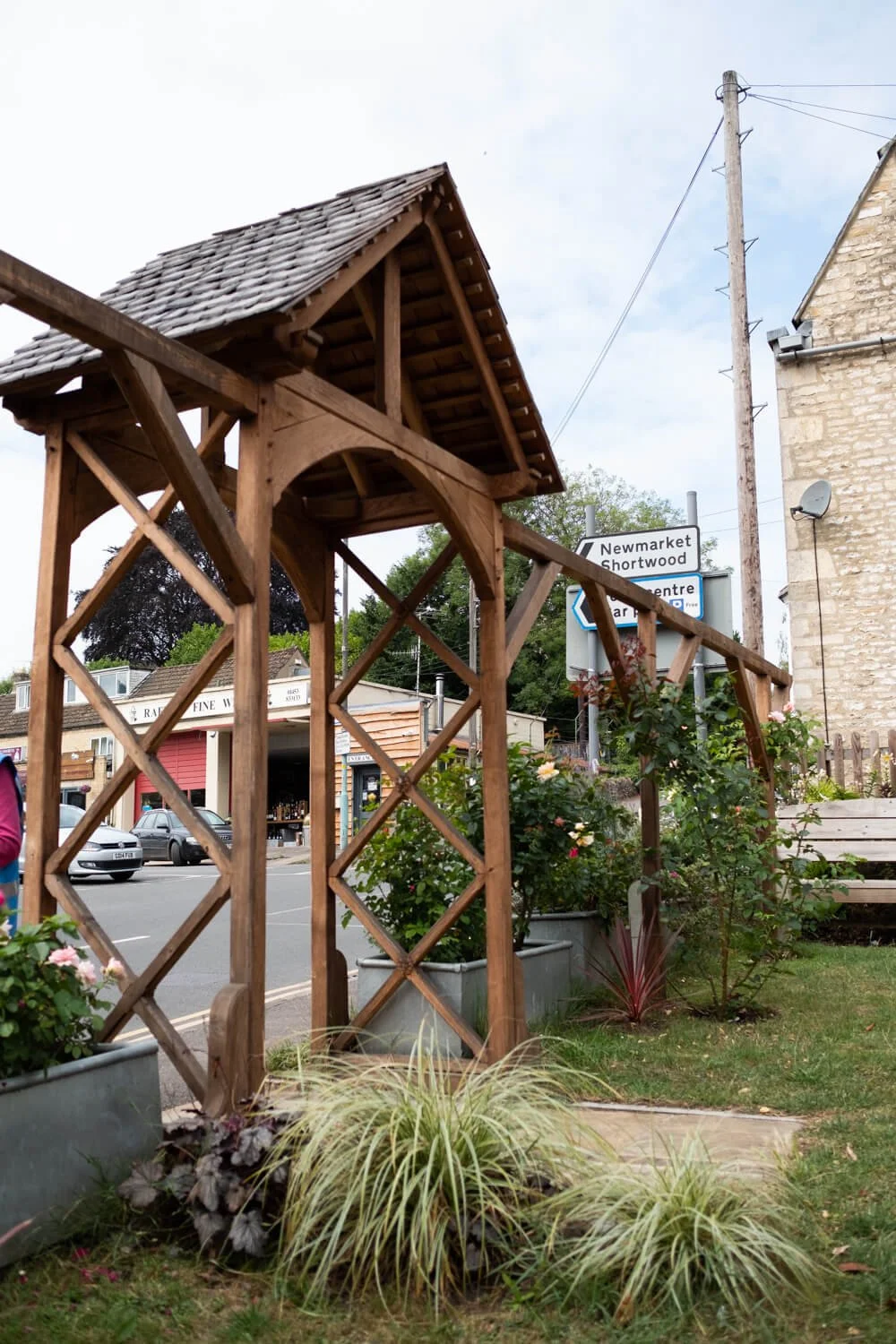
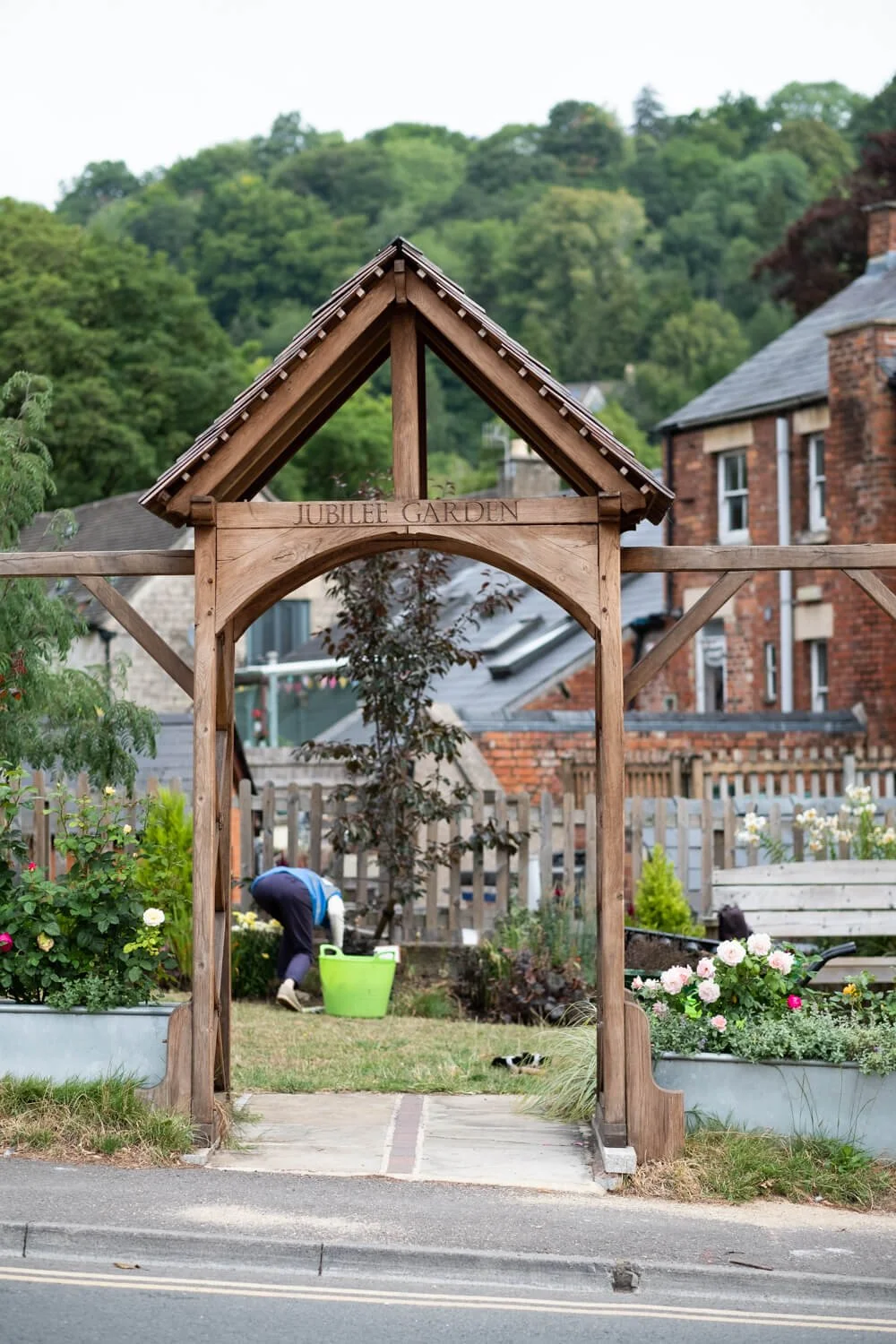
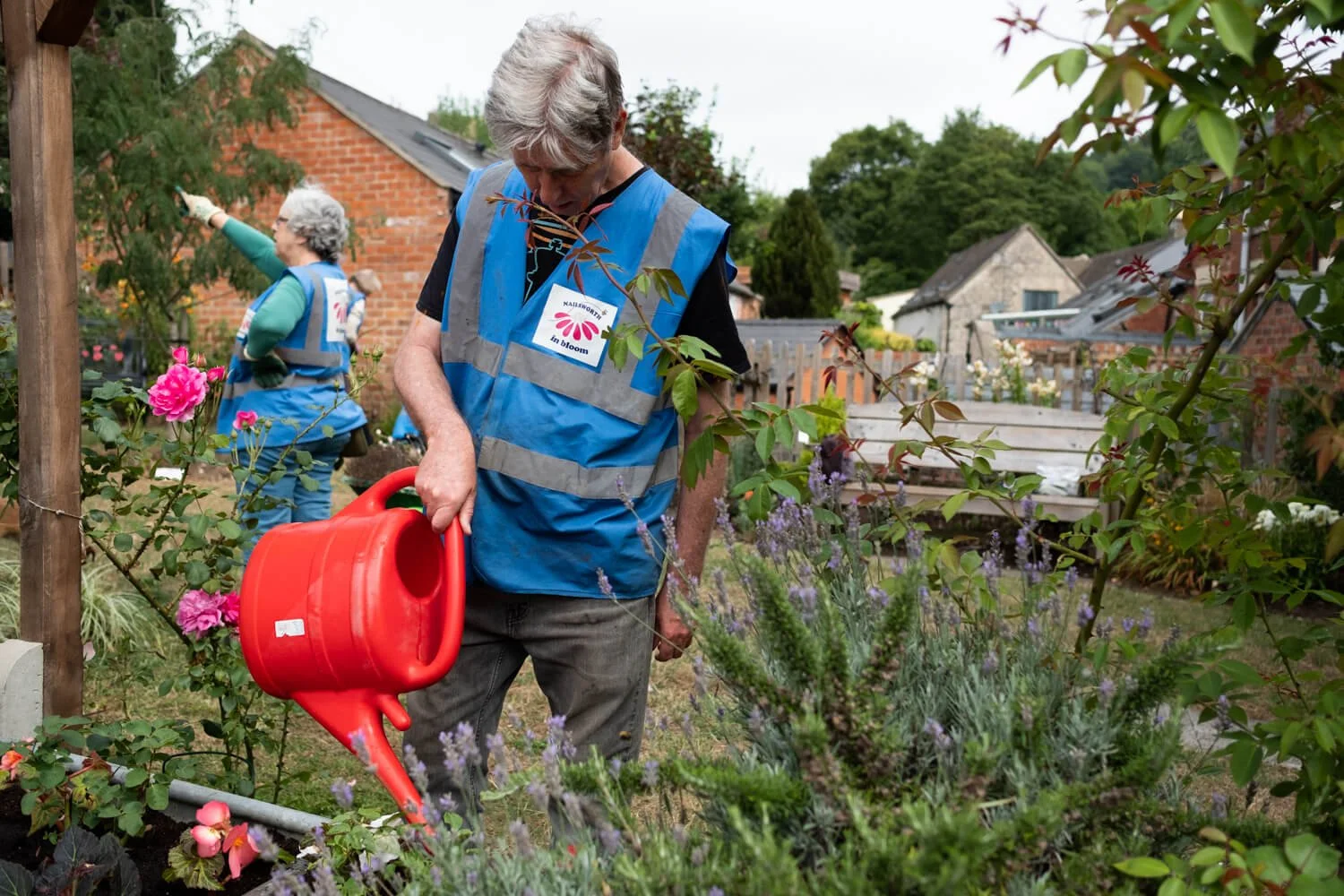
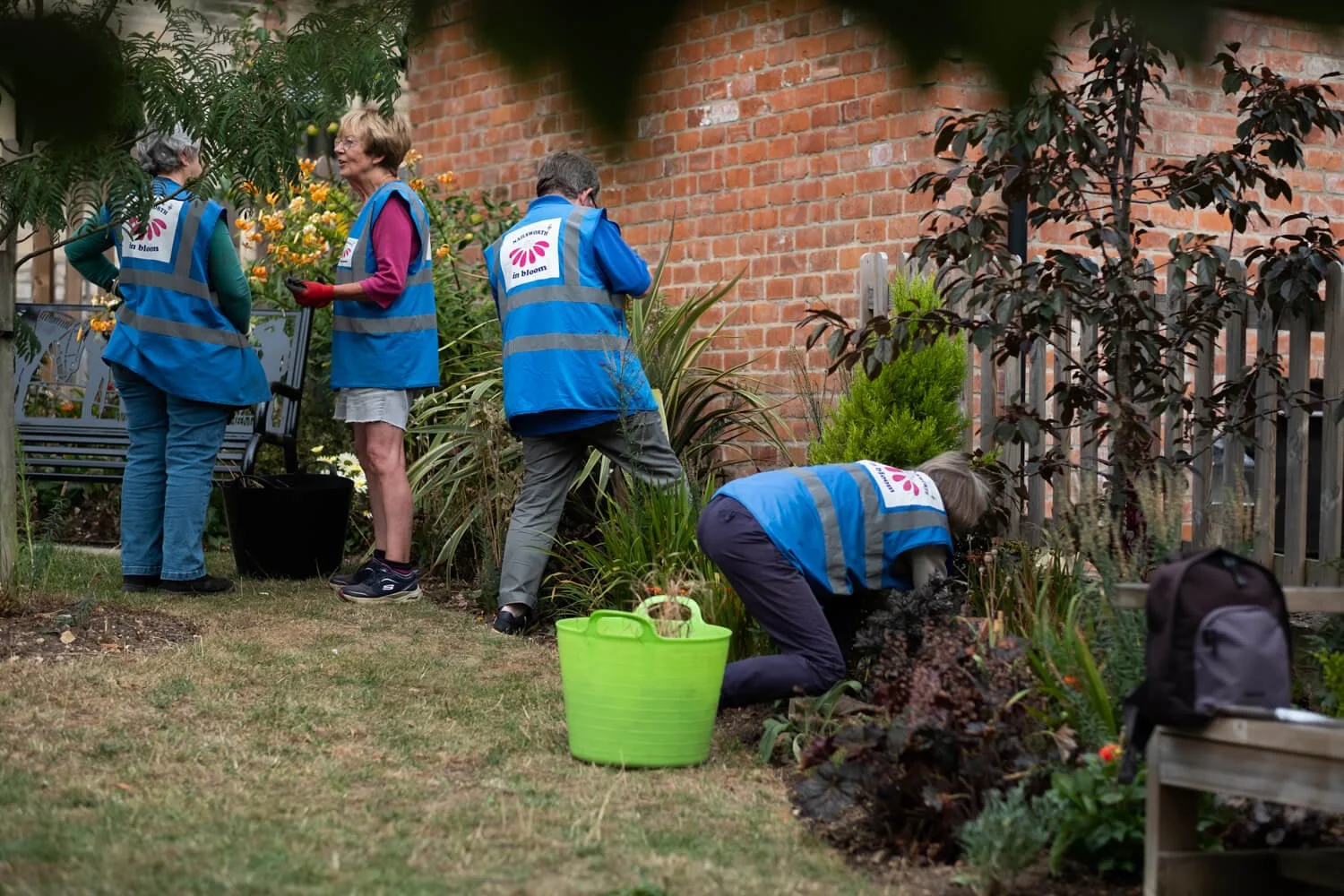

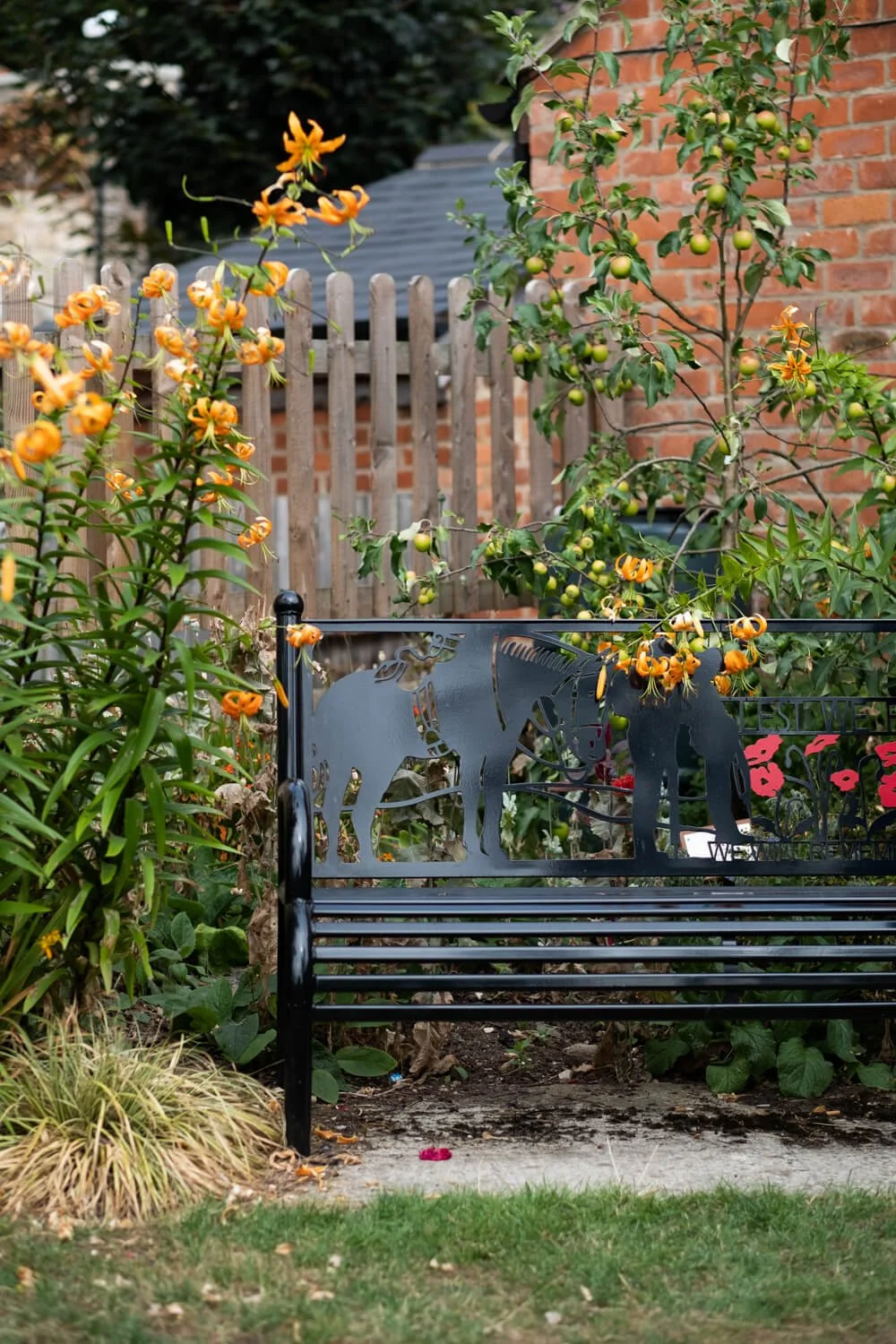
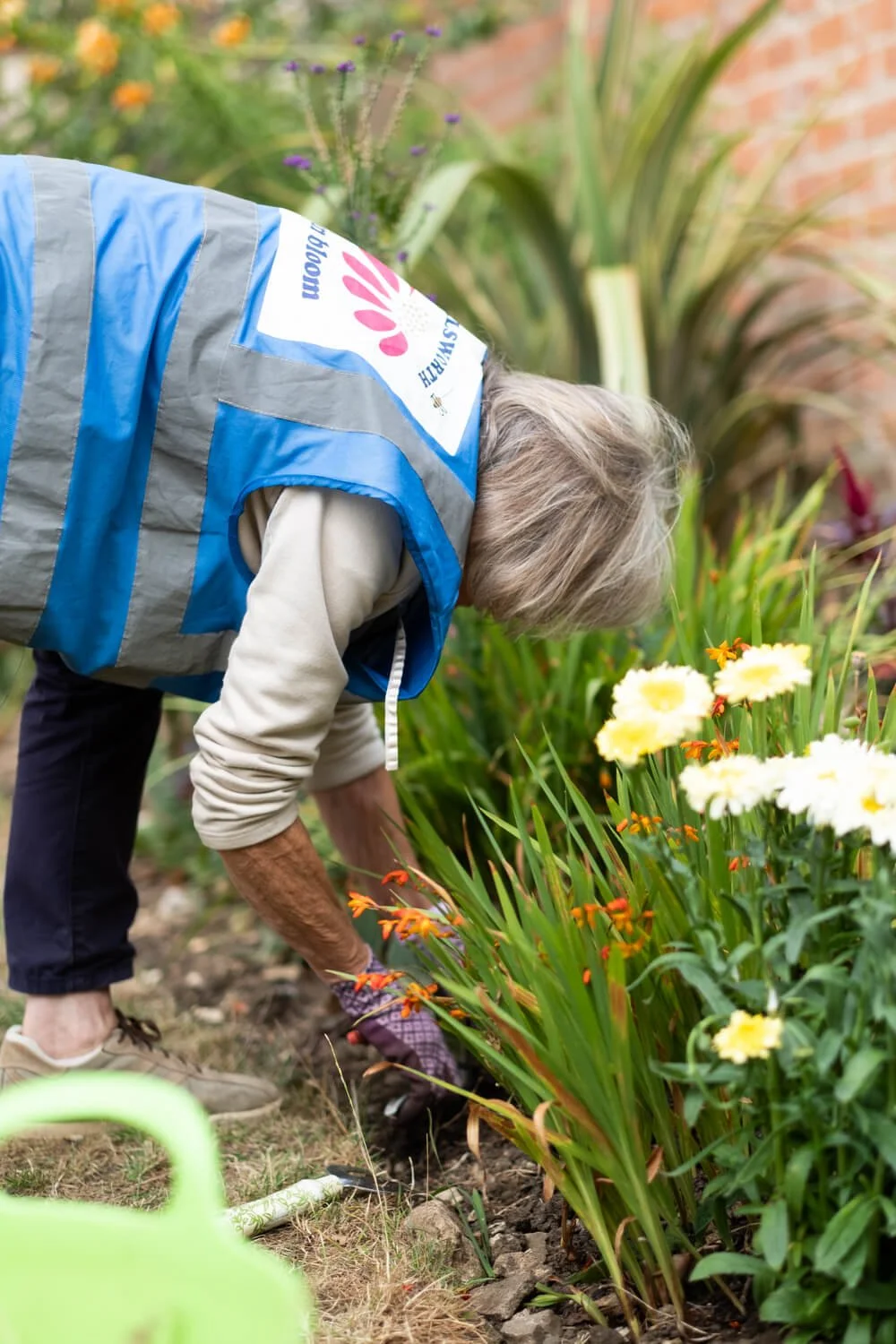

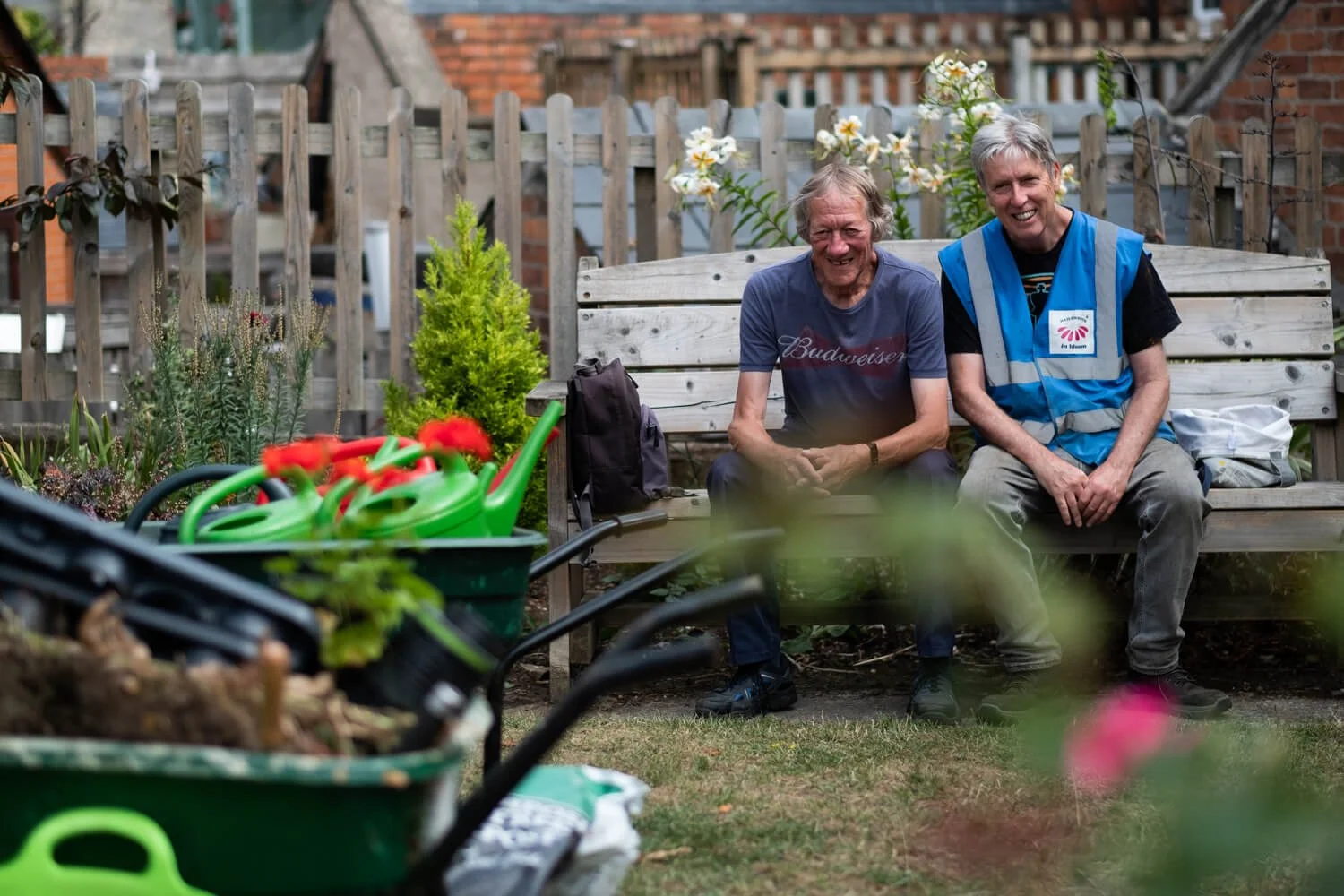
Jubilee Garden was a previously neglected roadside corner at a busy junction, now transformed into a small pocket park. The space is filled with cottage garden-style perennials chosen by local volunteers from Nailsworth in Bloom, and they needed an entrance; a structure separating the garden from the road, making it a safe and more settled space which is where our business could help. An oak pergola and archway, designed and built by Austin Design Works, marks the entrance and helps define the space. Planted troughs and climbing roses soften the road edge, creating a calm and welcoming spot where parents picnic with young children, local workers pause for lunch, and residents from nearby care homes come with family to enjoy the seasonal blooms. It is maintained by community members and has quickly become a cherished retreat for a wide cross-section of the town. The project has brought new life to an overlooked corner of the town and fostered a strong sense of local ownership and pride.
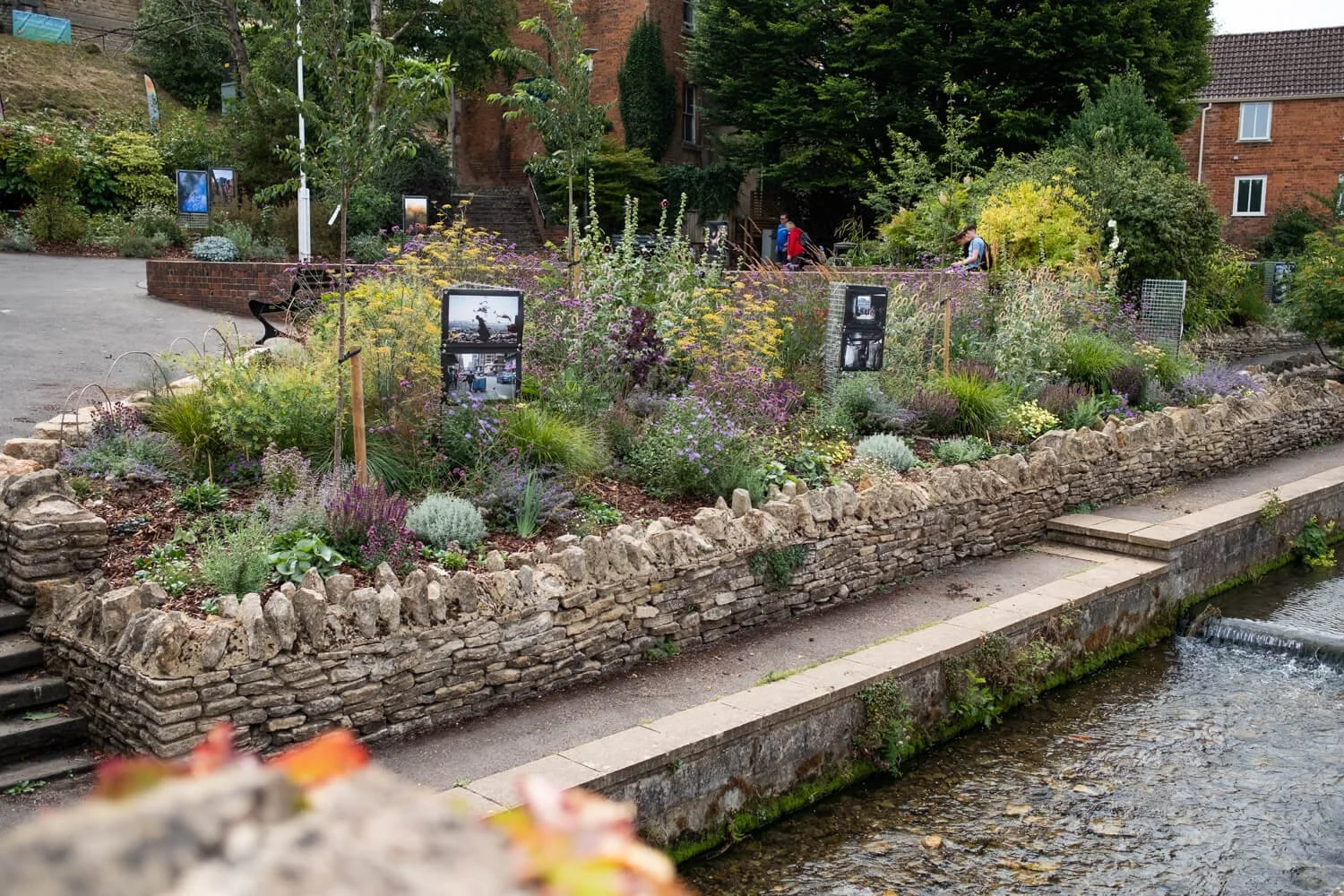
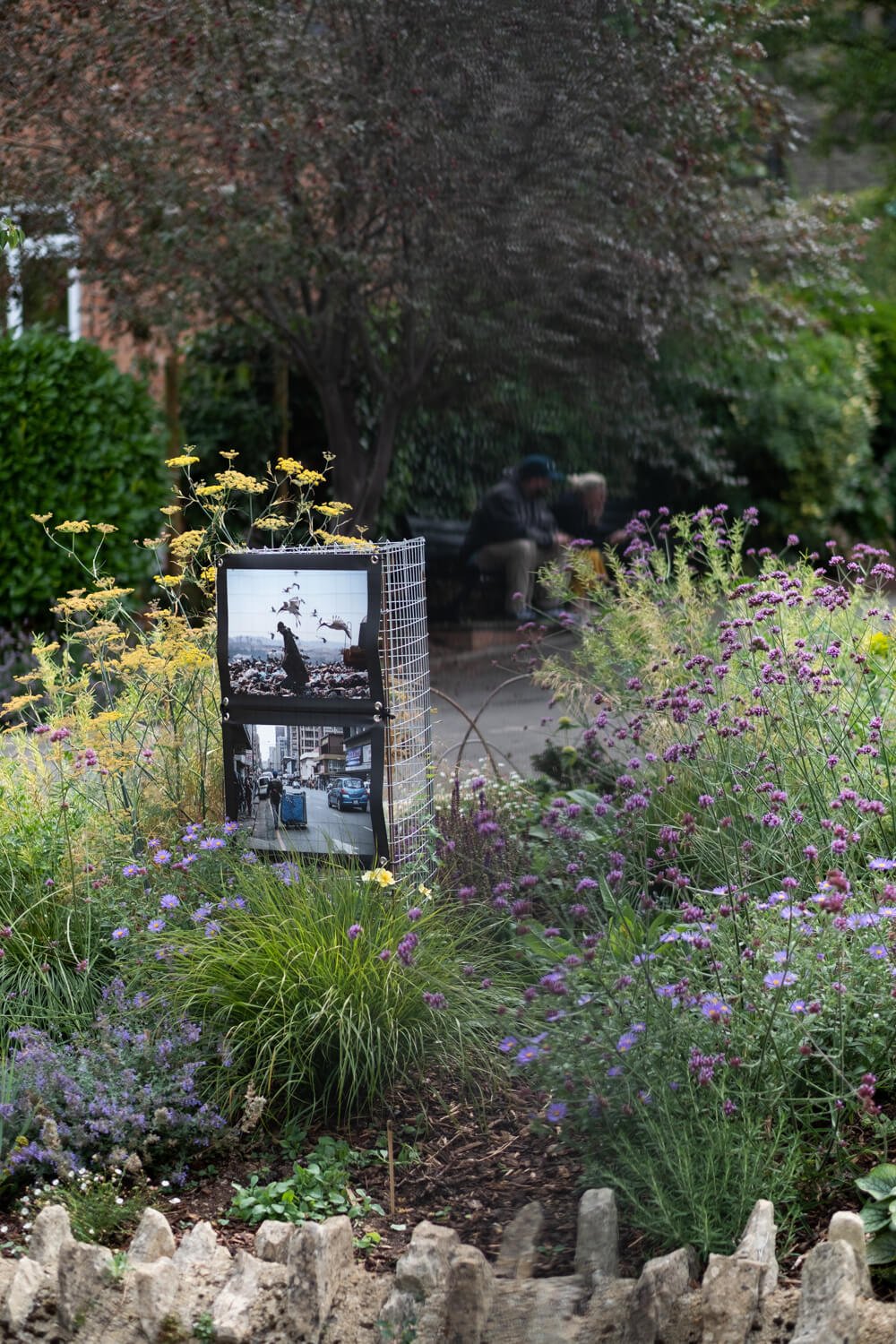
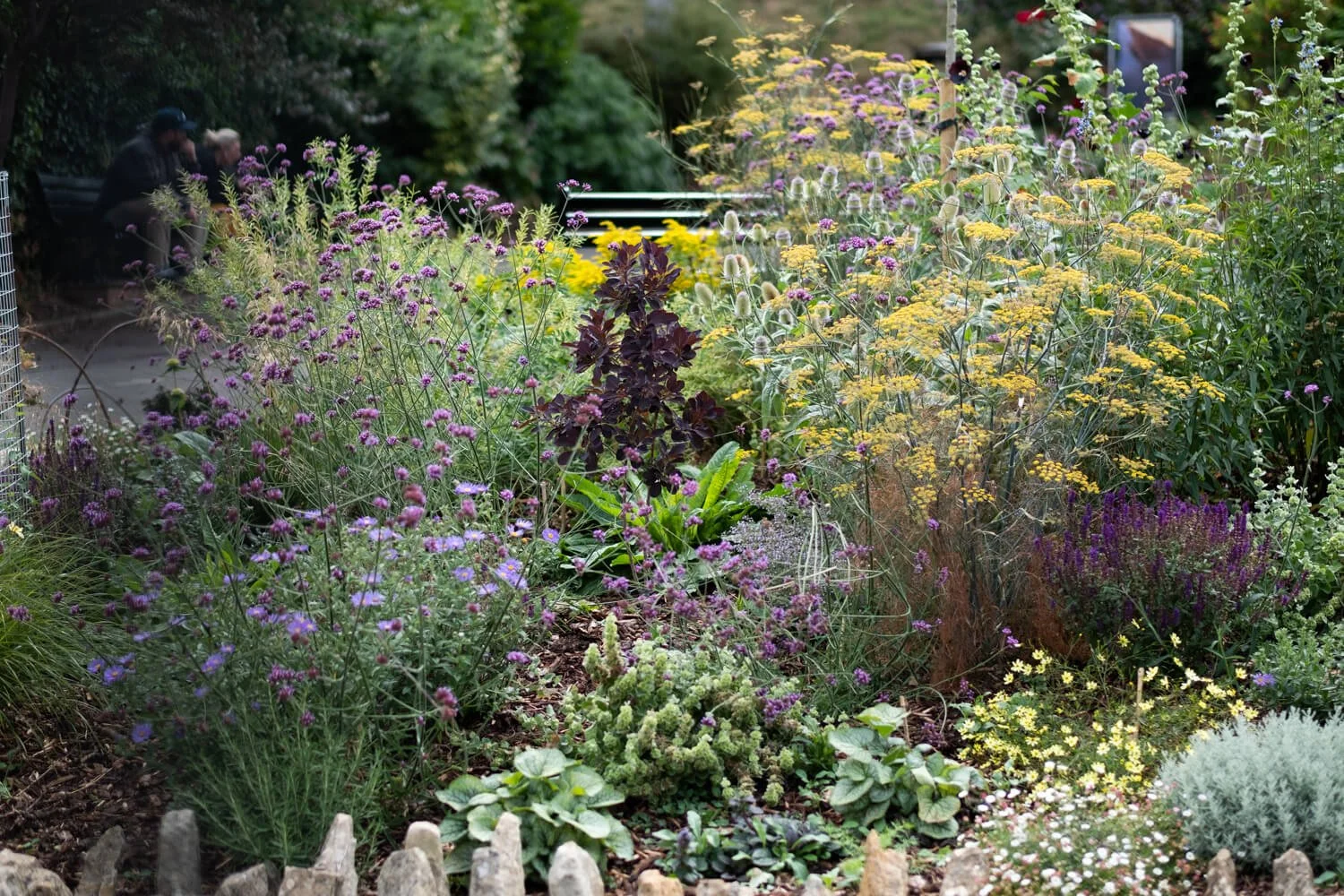

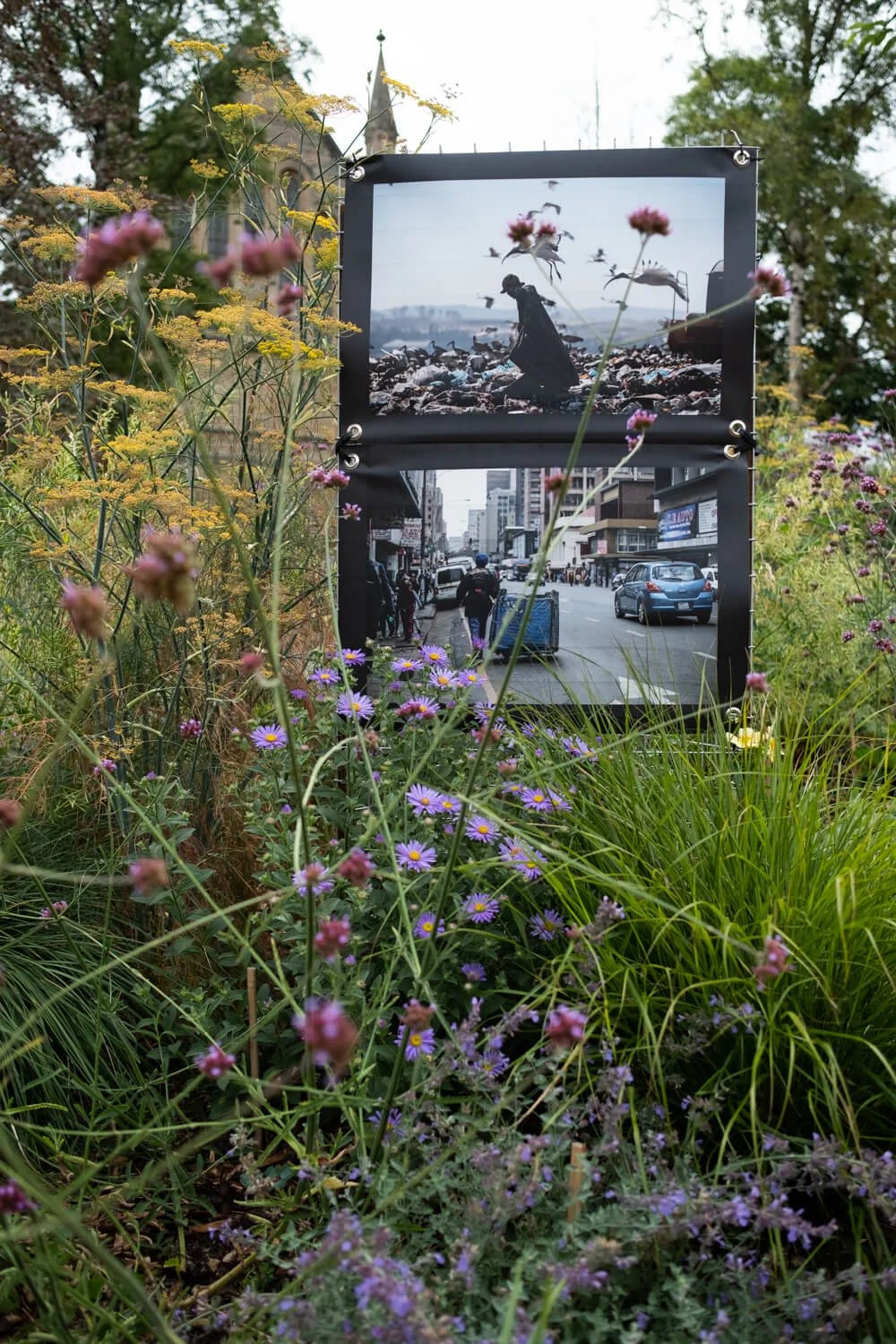
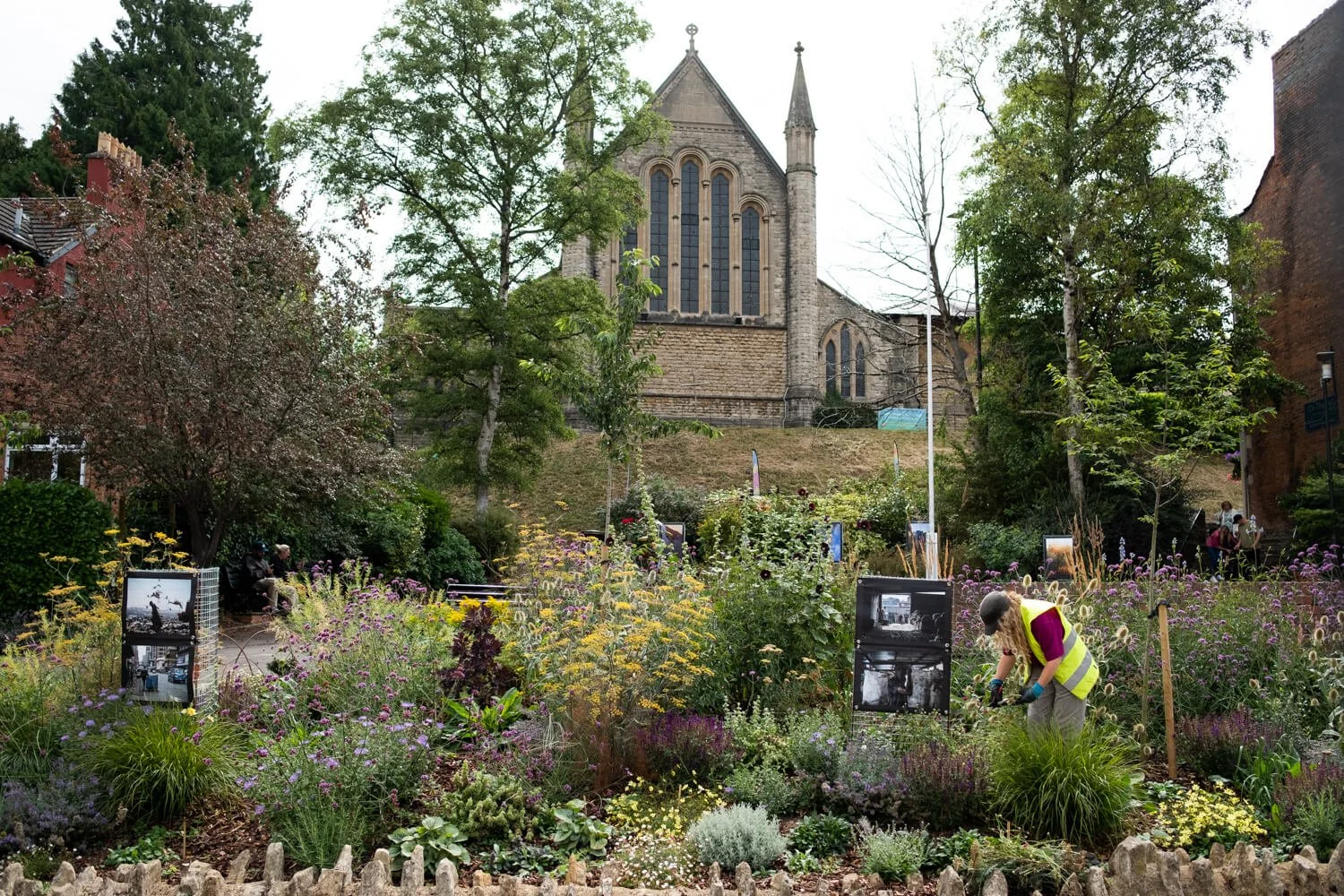
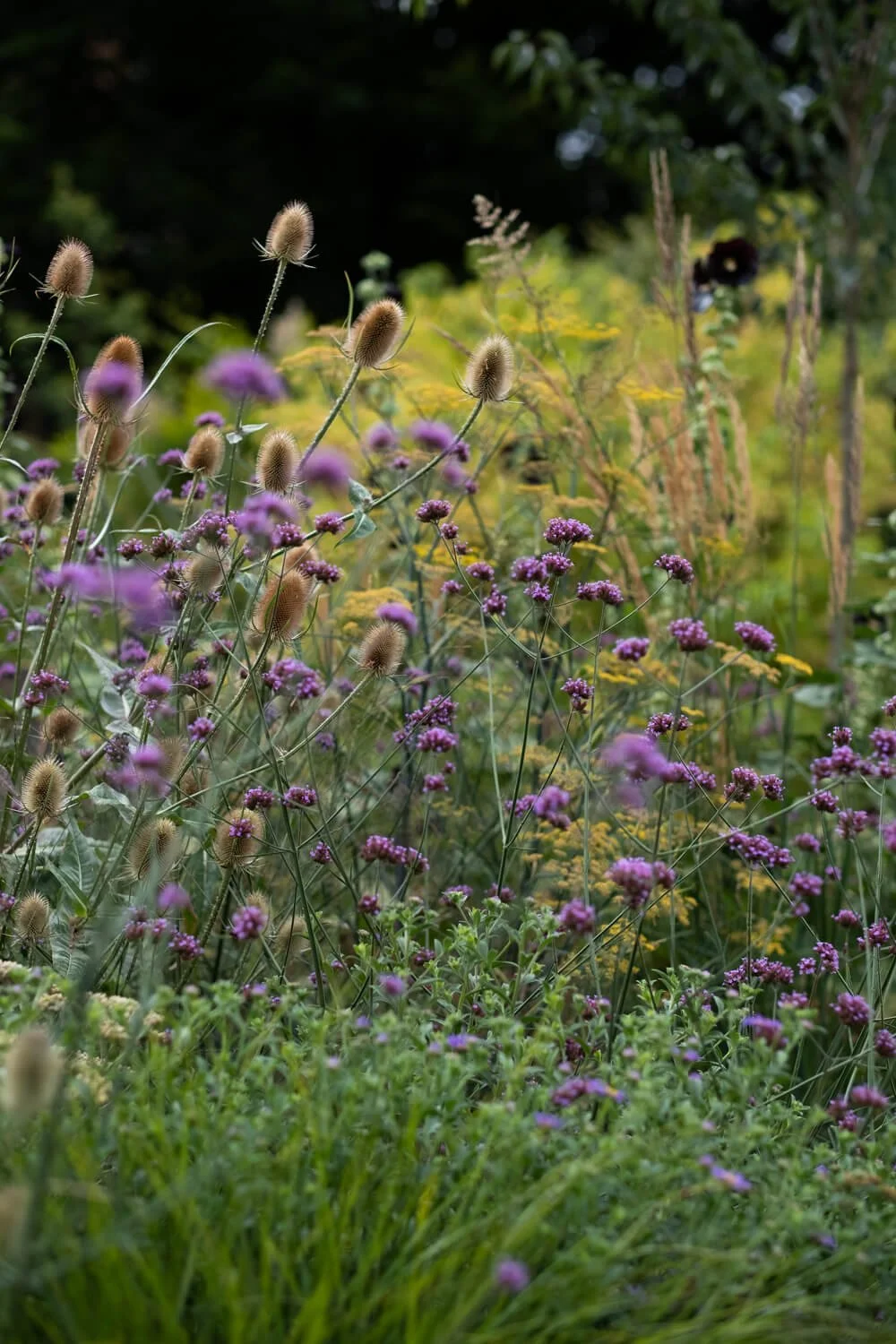
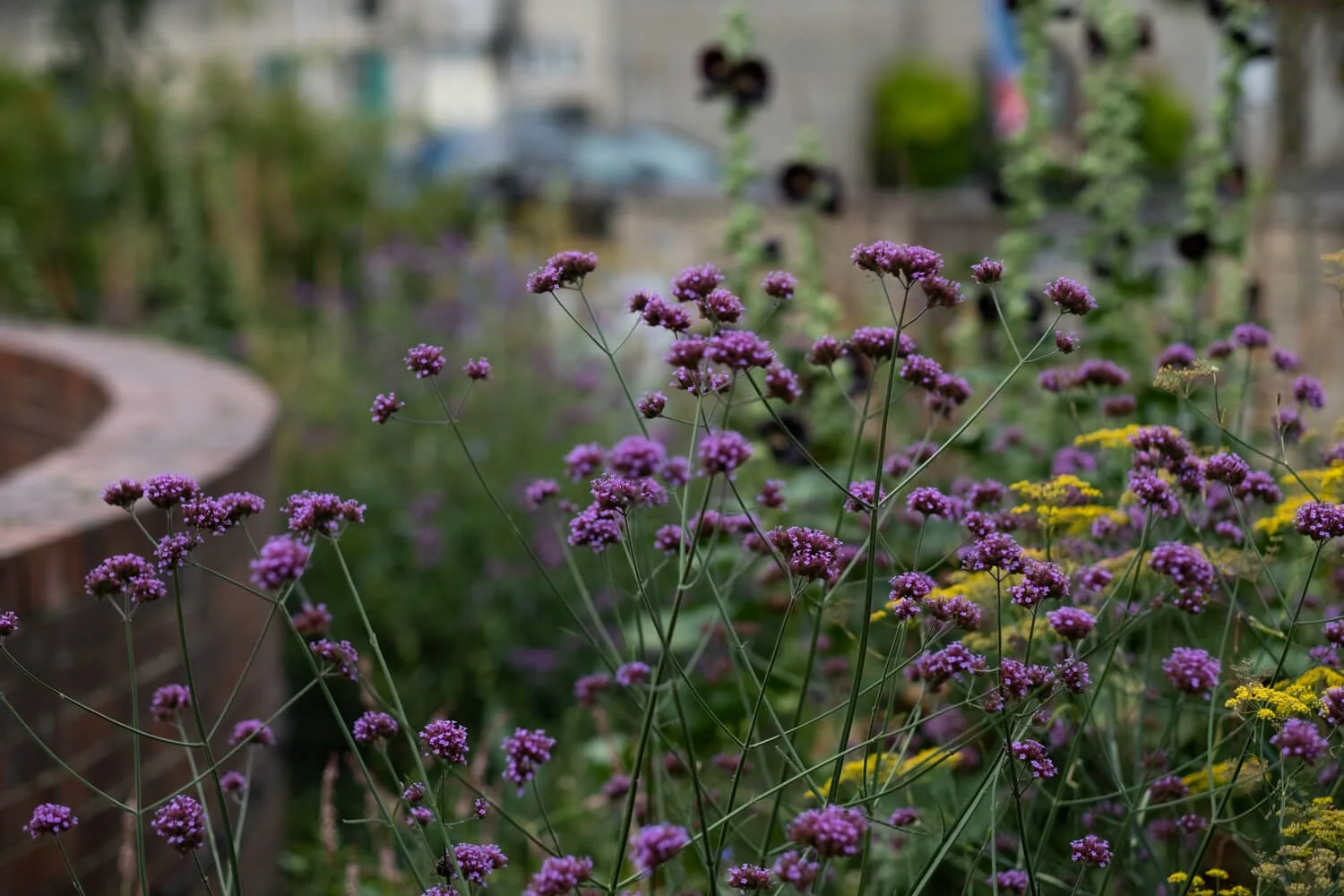
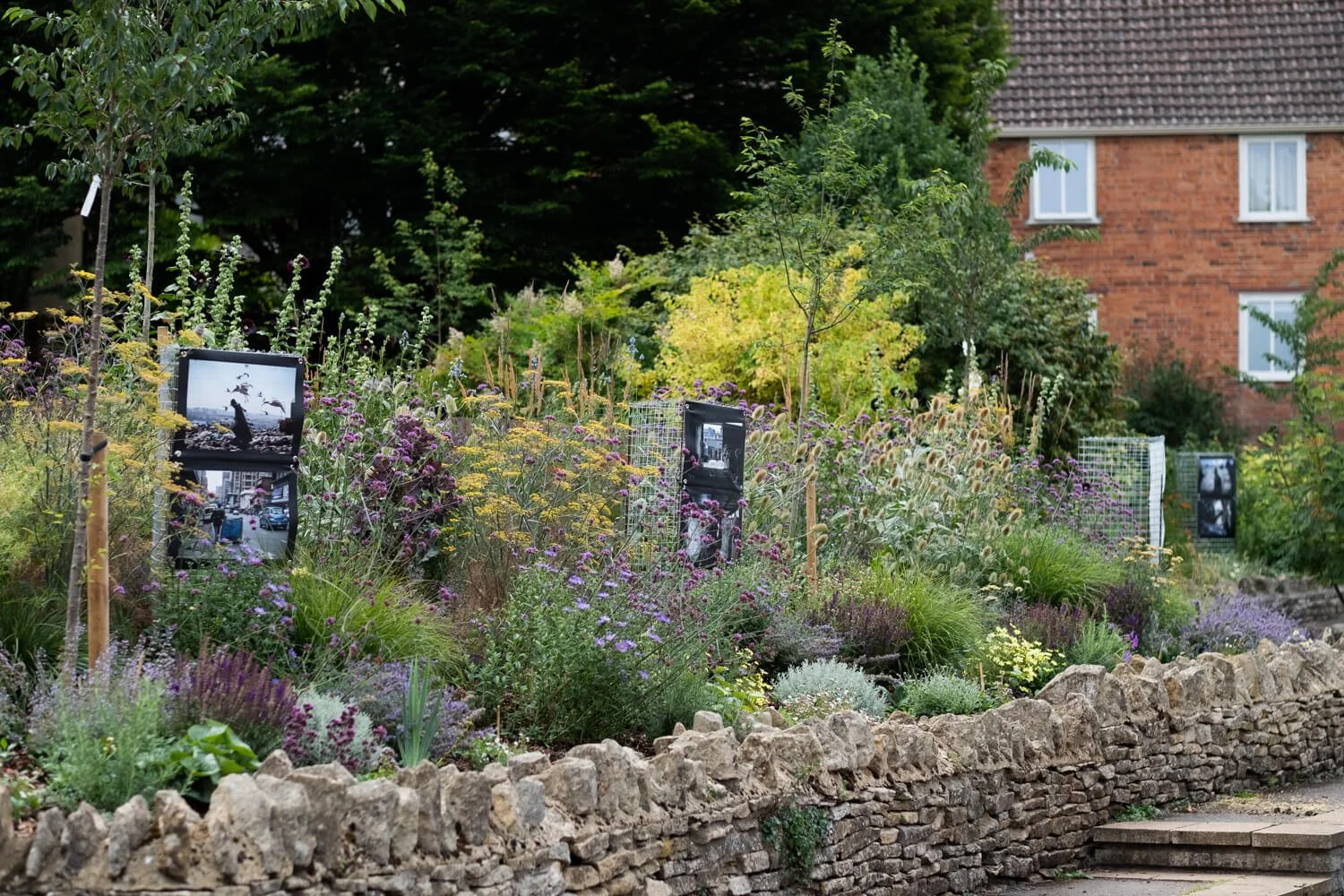
Mortimer Gardens is a central civic space that links the town’s bus station, market square and key pedestrian routes. This previously enclosed and overgrown area has been reimagined as a light, open garden with new planting, improved access, and renewed purpose. Overgrown laurel hedging has been replaced with pollinator-friendly herbaceous perennials, shrubs and cherry trees, referencing both the town’s textile heritage and its tree-planting strategy. Structural elements provide support for seasonal public art installations and add year-round interest. The gardens are a key venue for the town’s monthly farmers’ market and annual arts festival, as well as a pace for artists to display work whilst being a welcoming place to rest, meet, or play. All visitors are benefiting from the renewed connection to the river introduces water into the experience of the town and strengthens ecological value.
Together, these projects demonstrate how small-scale, well-considered interventions can reconnect people with their environment, support local biodiversity, and create resilient, climate-conscious places that are truly shaped by and for the community.
