

Back to where it all began: Ten years of Stroud's Walled Garden
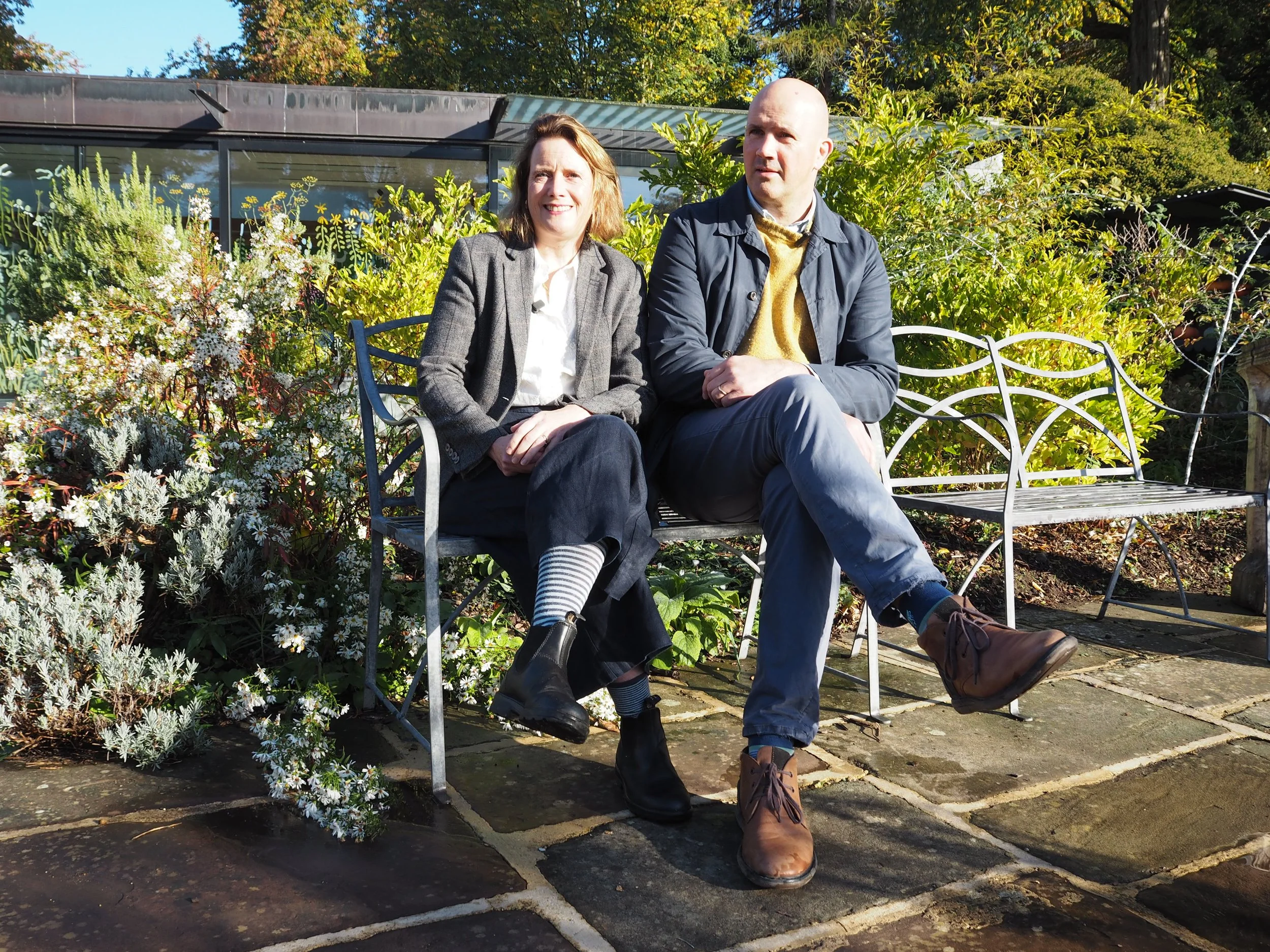
As we celebrate ten years of Austin Design Works, we've been revisiting some of the places and projects that have shaped our practice. Few are quite as special to us as the Walled Garden at Stroud's Museum in the Park.
Ten years ago, the Walled Garden at Stroud's Museum in the Park was given a new lease of life. What had once been a forgotten space behind old stone walls became a flourishing garden, a place for people to gather, explore and enjoy.
Recently, we returned to see how the garden has grown and changed over the past decade. For us, it was a particularly special visit, as the Walled Garden was our first project as Austin Design Works. And with both the garden and our practice celebrating their tenth anniversaries this year, it felt like the perfect place to revisit.
Bringing a forgotten garden back to life
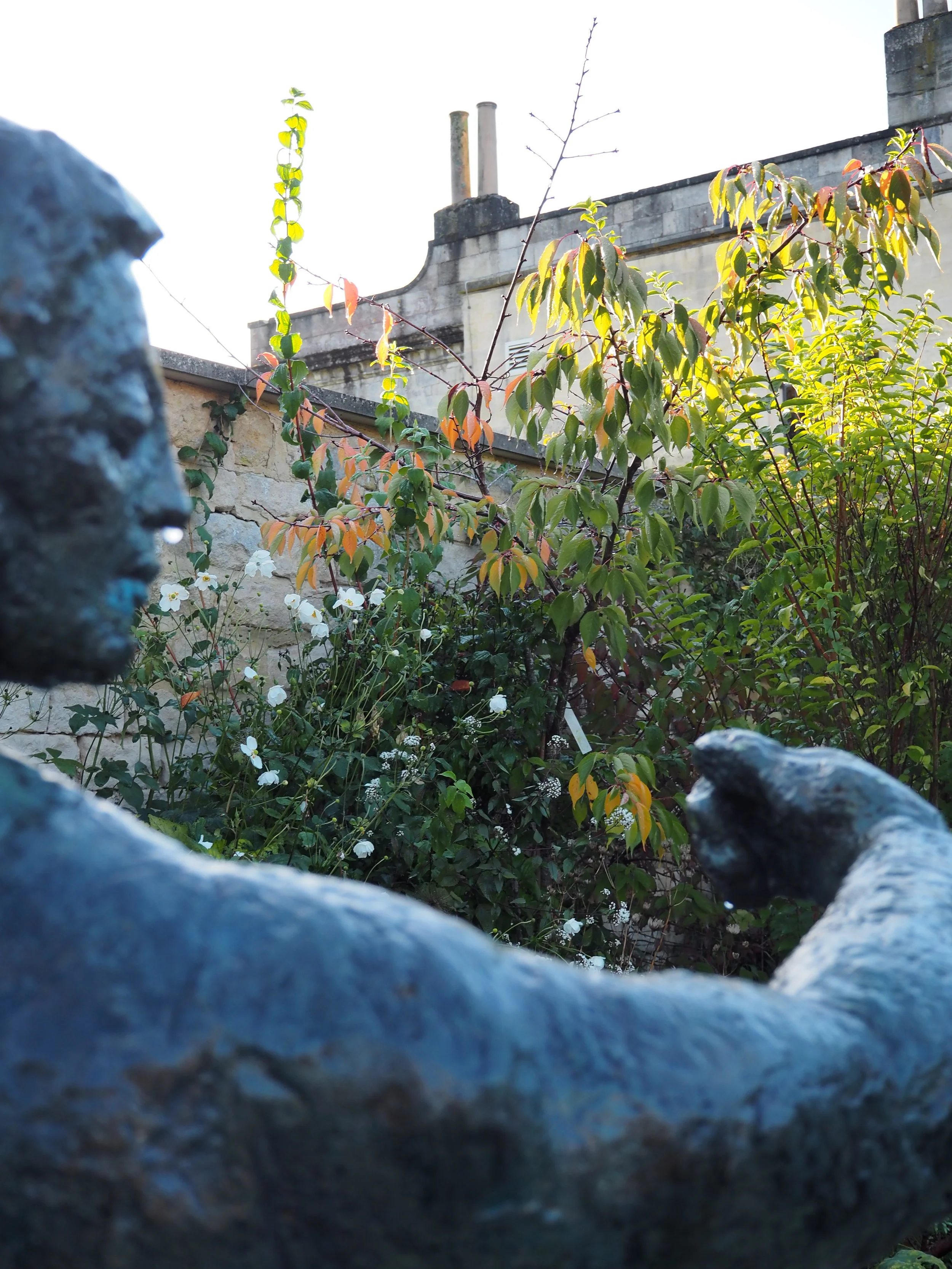
Tucked behind the Museum in the Park, within the grounds of Stratford Park, the Walled Garden had long been a hidden and neglected part of Stroud's heritage.
The ambition was to transform it into a welcoming, accessible public space, somewhere that would bring the museum's collections and stories outdoors, while offering something entirely new to the people of Stroud.
When we became involved, the initial designs had already been developed by a London-based architectural practice and planning permission granted. While the vision was exciting, some of the proposals presented significant challenges in terms of budget and the practical use of the space.
Our task was to find a way to realise the ambition of the project while making the available funding work harder and, importantly, making the garden more accessible, flexible and enjoyable for everyone who would use it.
What followed was a process of rethinking not simply how people would move through the garden, but how they might experience it.
Taking the scenic route
One of the most significant challenges was the change in levels between the museum and the new garden building.
The original scheme proposed steps and an external lift to take visitors between the two. Although this would have provided a means of access, it was an expensive solution that largely treated the garden as a space to cross rather than somewhere to spend time.
Rachael saw an opportunity to think differently. Rather than moving visitors as quickly as possible from one building to another, what if the journey itself became an integral part of the garden?
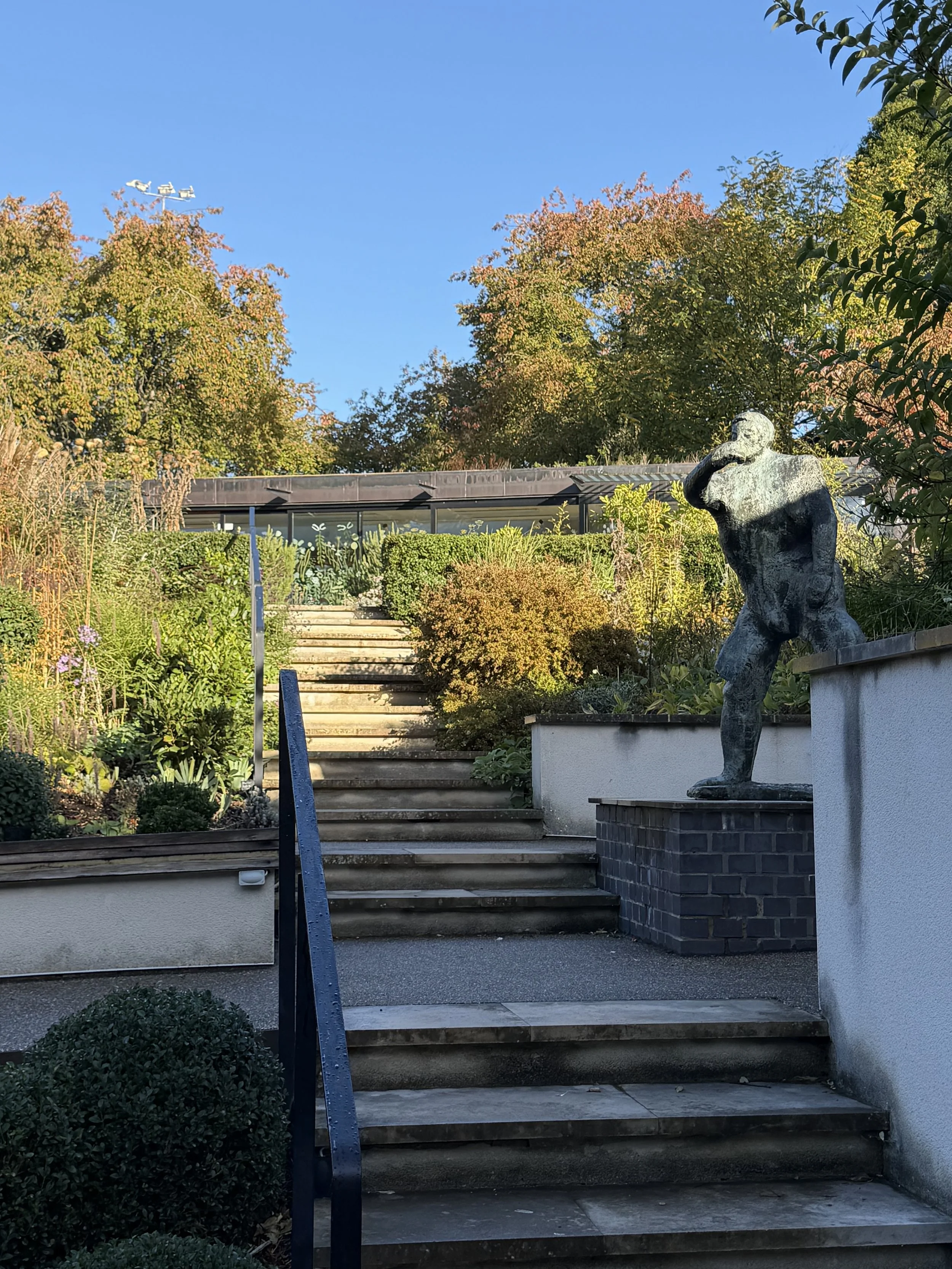
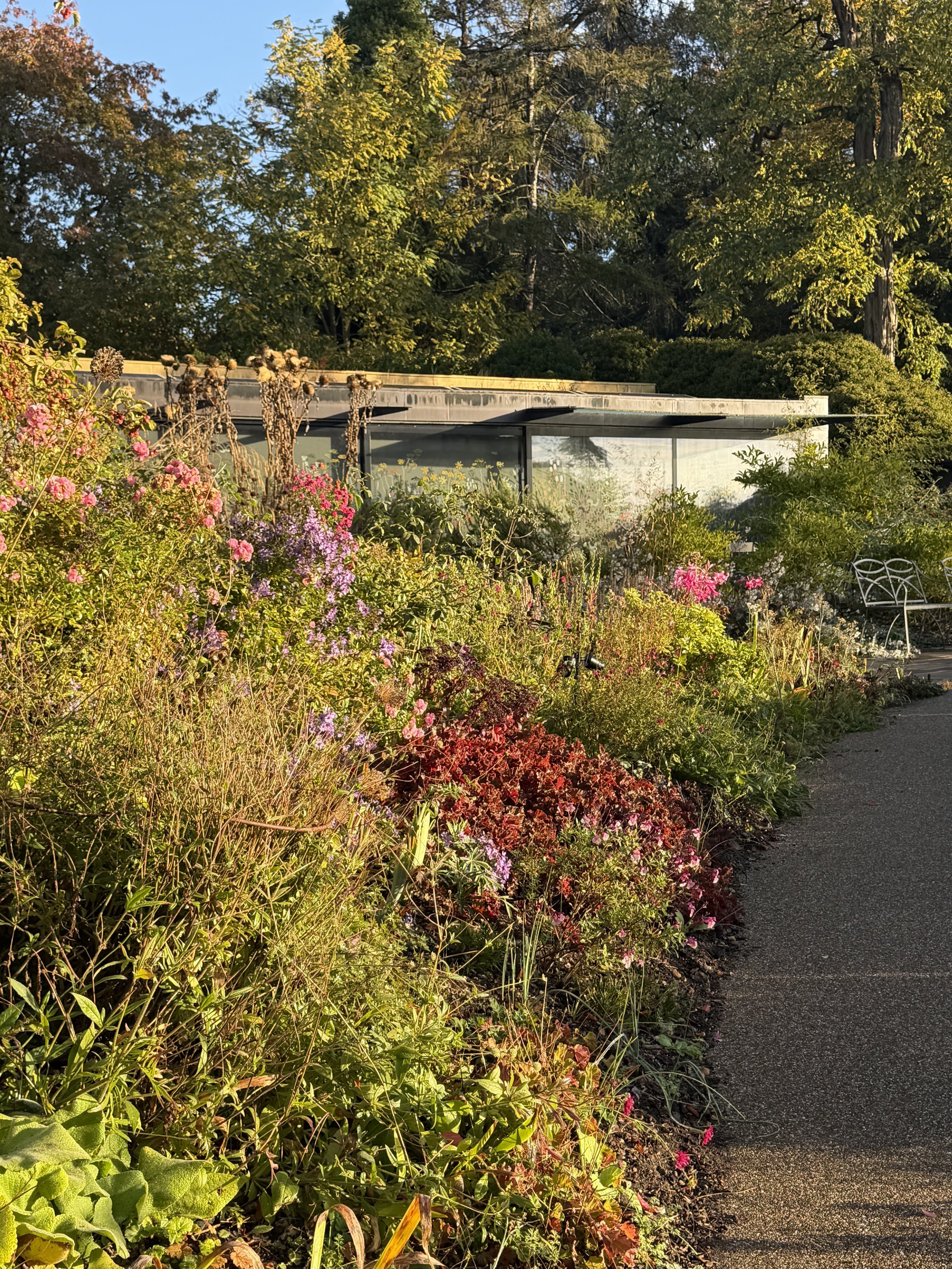
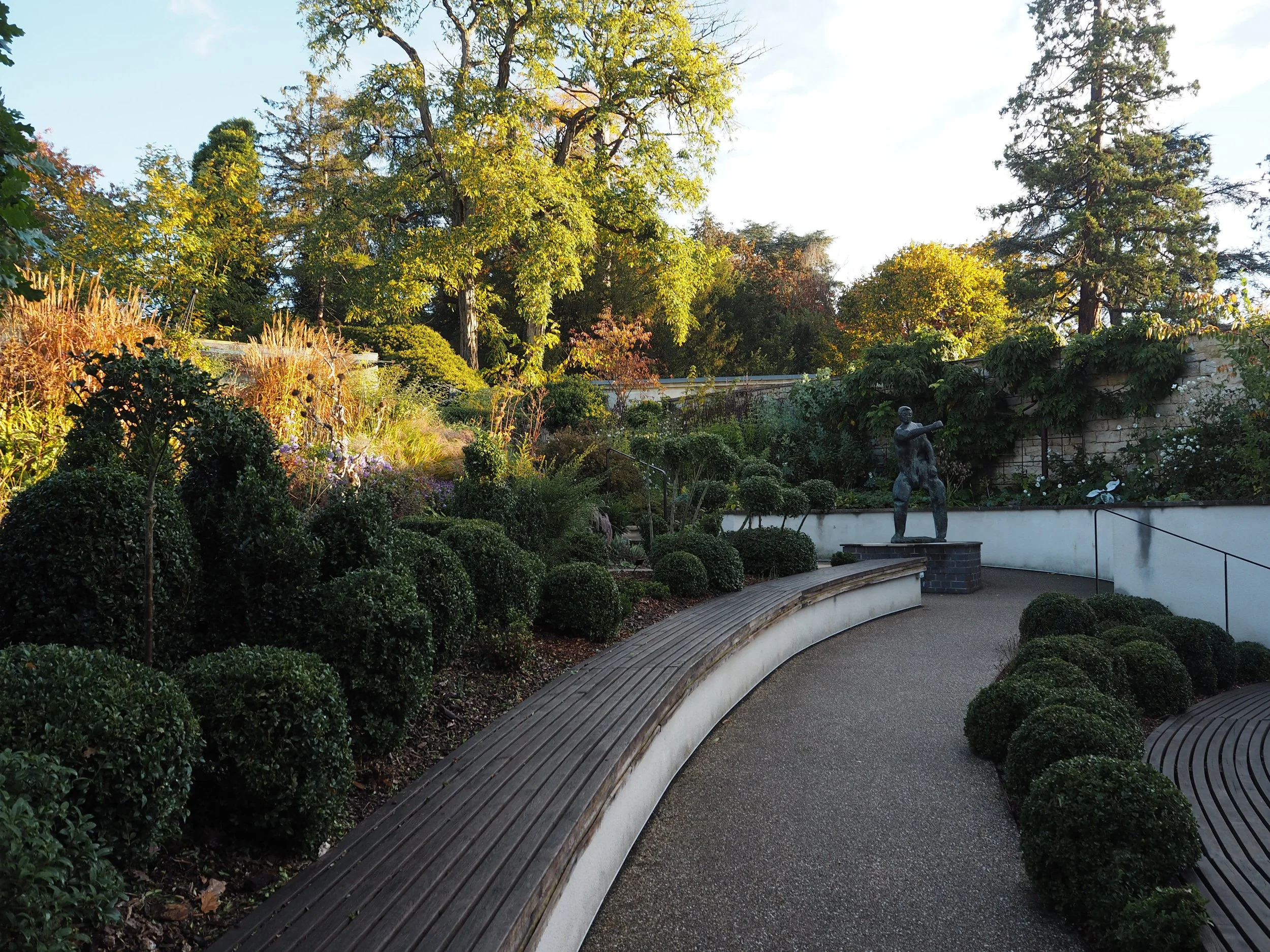
Her proposal was for a gently winding, zigzagging pathway that would weave through the landscape, gradually negotiating the change in levels while opening up the garden to visitors of all abilities.
It was a deceptively simple idea that transformed the possibilities for the entire site. The new route would be fully accessible, incorporating places to pause, benches to rest on and carefully considered lighting. But it would also do something far more interesting than simply connect two points.
By following the contours of the land, the pathway created opportunities for planting at different heights, offering changing views and perspectives as visitors moved through the garden. It made space for an outdoor amphitheatre, where performances and community events could take place, and introduced a series of smaller spaces that invited people to stop, sit and enjoy their surroundings.
Instead of a direct route to the outdoor classroom, the garden became a journey of discovery.
It also opened up new opportunities for fundraising. By reimagining the access strategy as a much broader landscape and community project, we were able to develop a proposal with benefits extending well beyond simply getting people from A to B. Accessibility, education, biodiversity, outdoor performance and public enjoyment were all woven into a single design, helping to make the case for additional investment.
For us, this is a lovely example of the value of bringing architecture and landscape design together from the outset. A practical problem became an opportunity to create something much richer.
Making the building work harder too
Alongside the landscape, we also looked carefully at how the garden building could best serve the museum and its visitors.
Rather than simply delivering the original layout, Matthew developed a more flexible arrangement, introducing an internal division and two separate entrances.
This allowed the building to accommodate two classes or groups at the same time, giving the museum considerably more flexibility in how it could use the space for education, workshops and other activities.
It was a relatively modest intervention in architectural terms, but one with lasting value for the people using the building.
Together, these changes helped ensure that the investment in the Walled Garden would deliver as much as possible, not only on opening day, but over many years to come.
Ten years of growth
One of the great joys of working with landscapes is that they don't stand still.
Unlike a building, which is largely complete when the builders leave, a garden is only just beginning. Plants establish themselves, trees grow, borders fill out and the space gradually finds its own character.
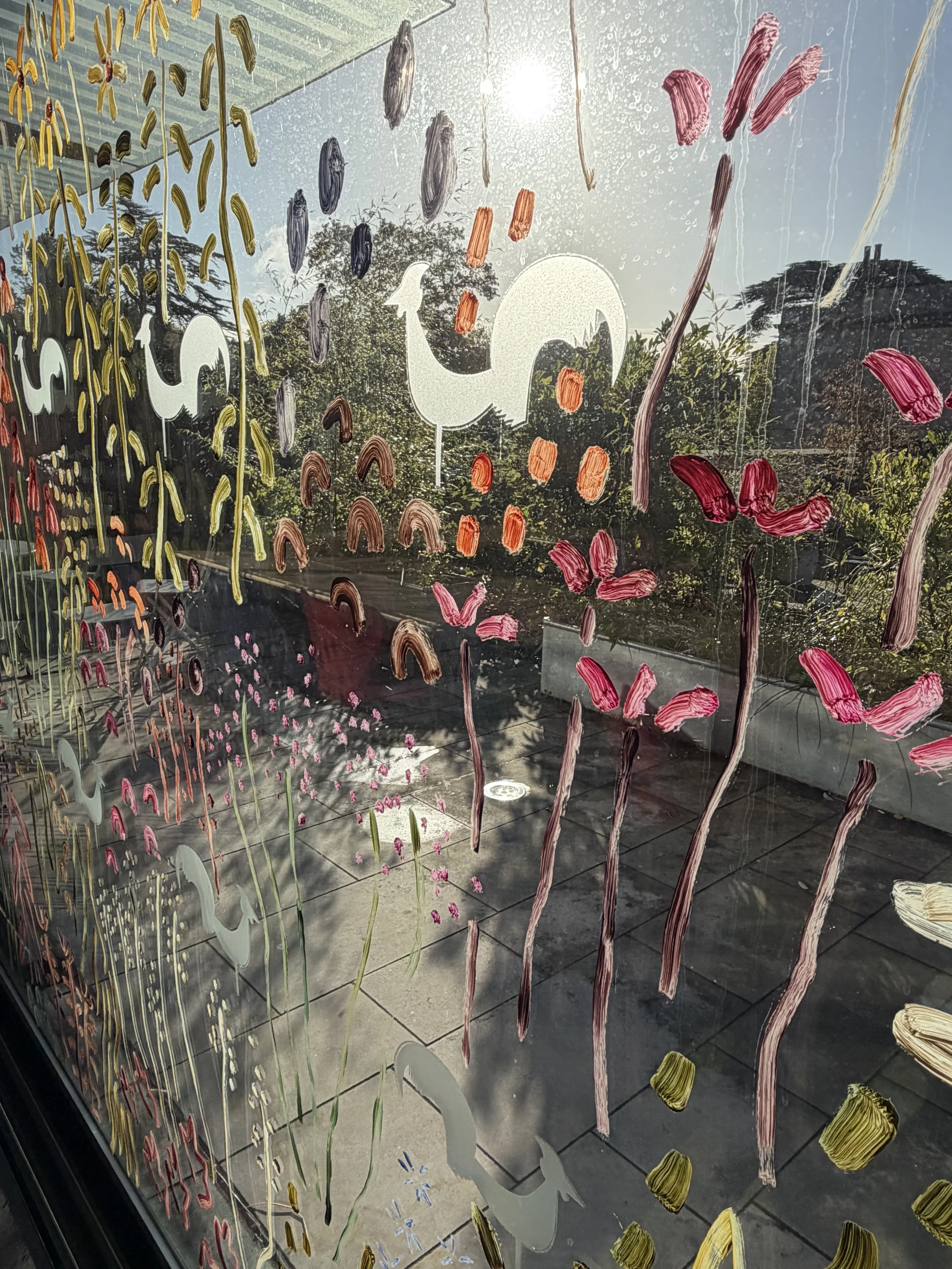
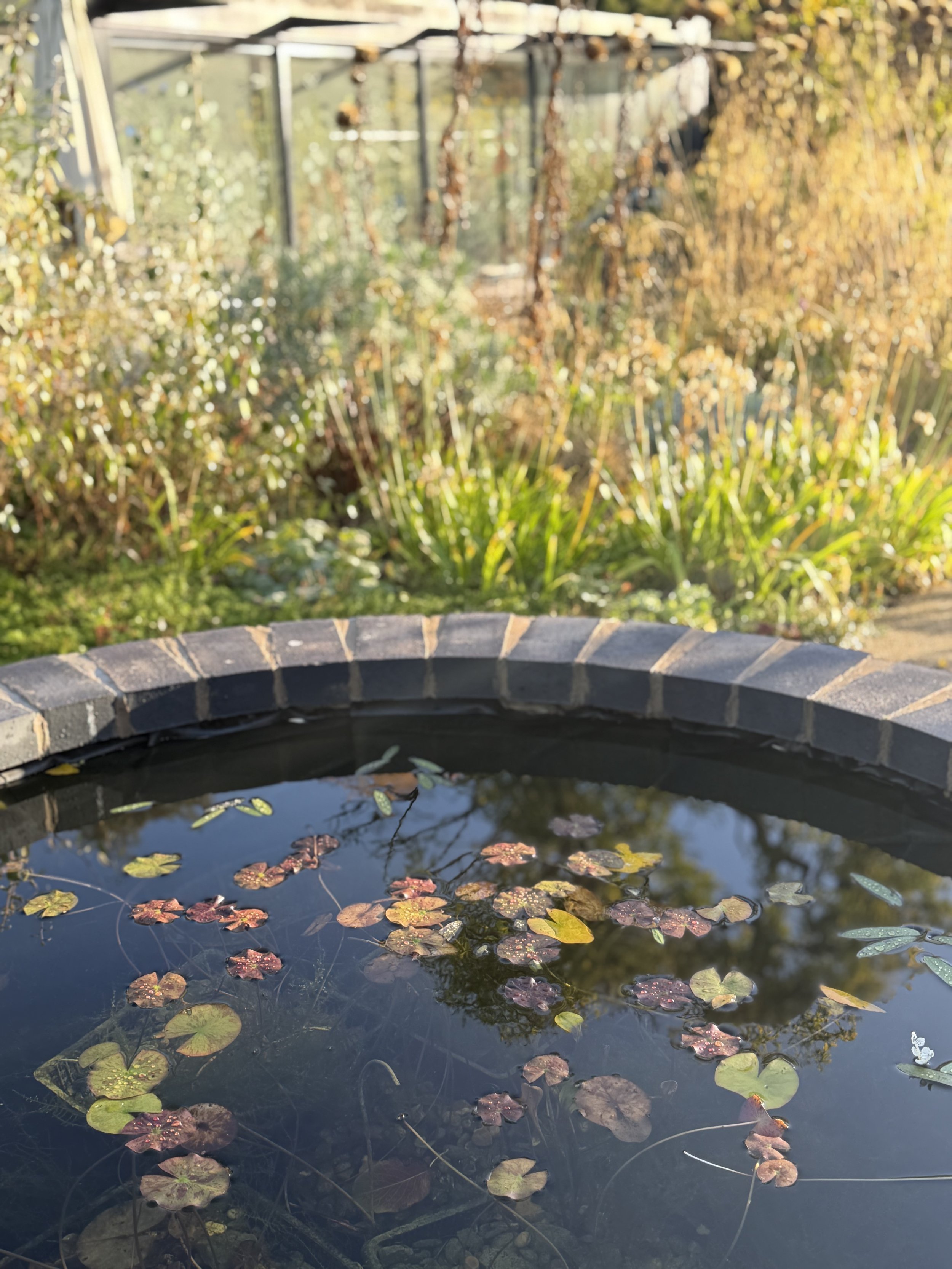
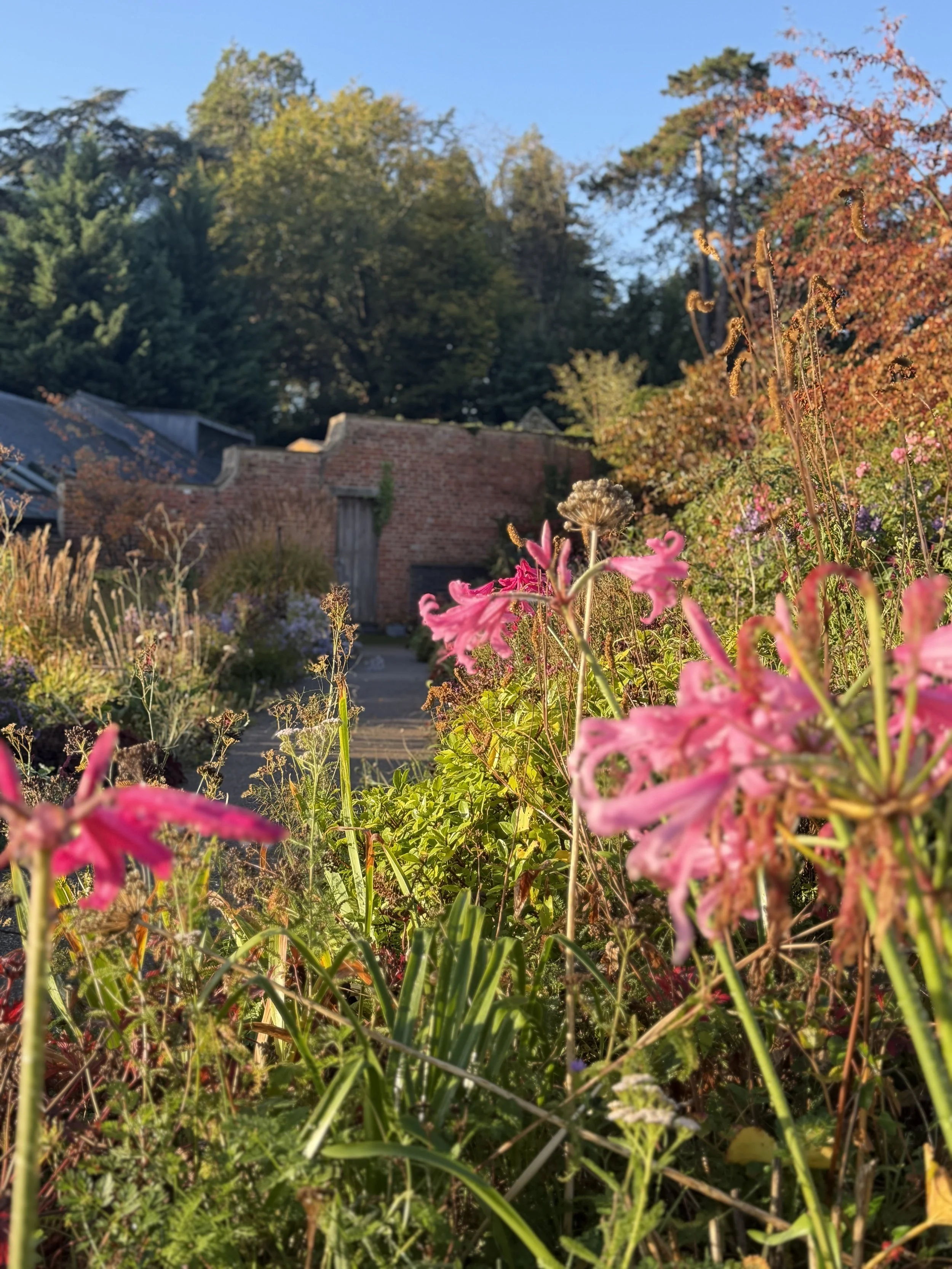
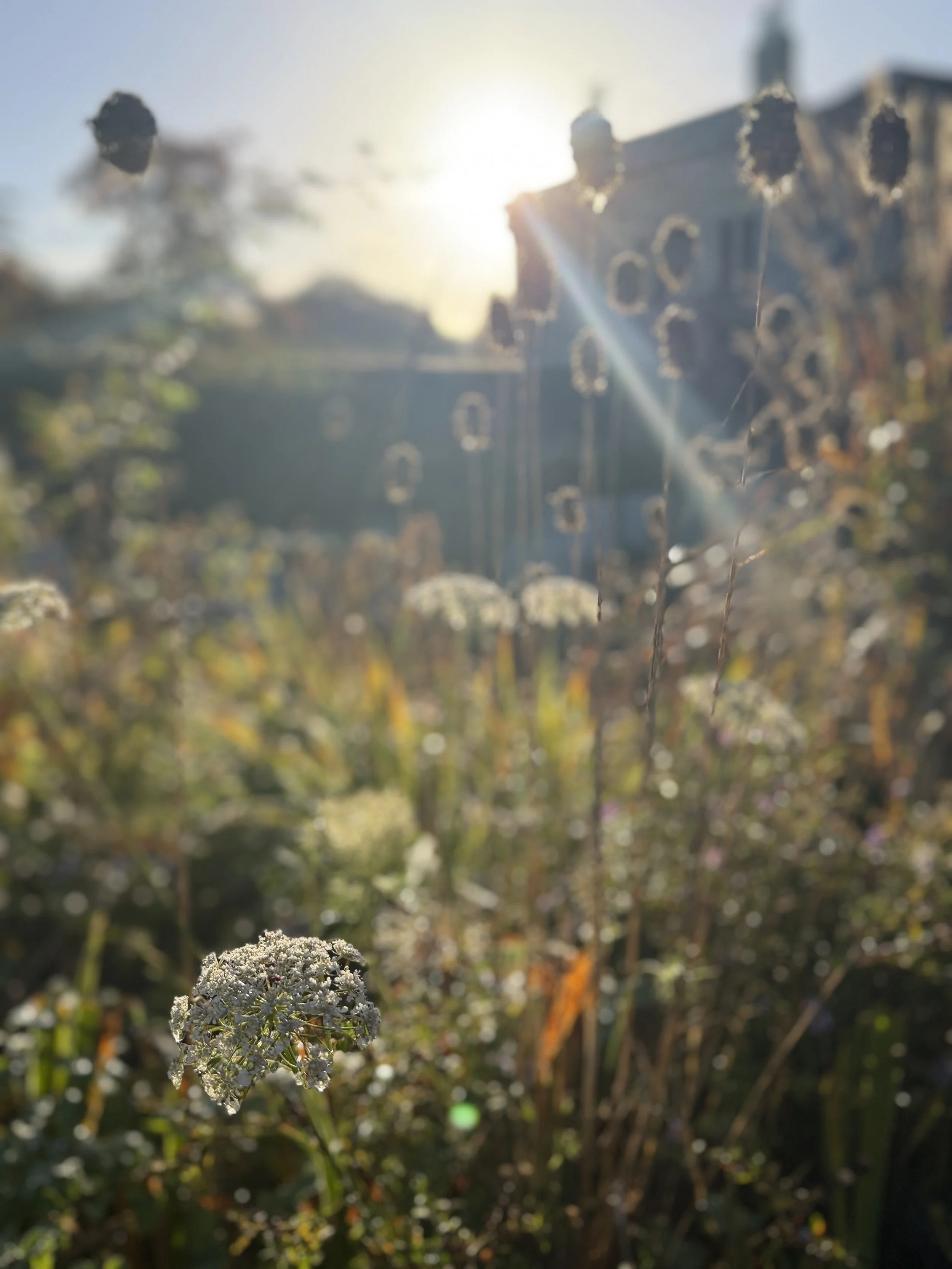
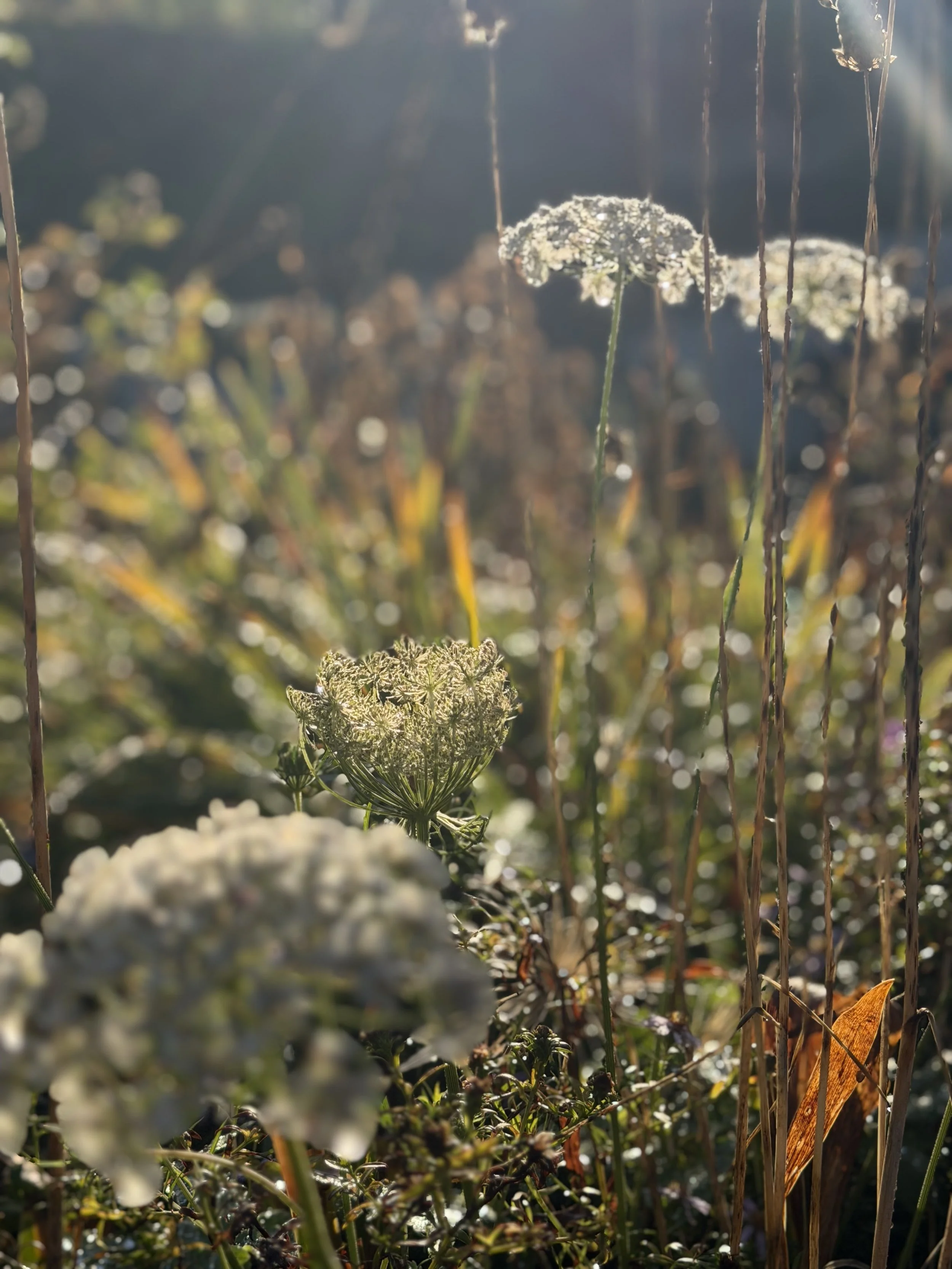
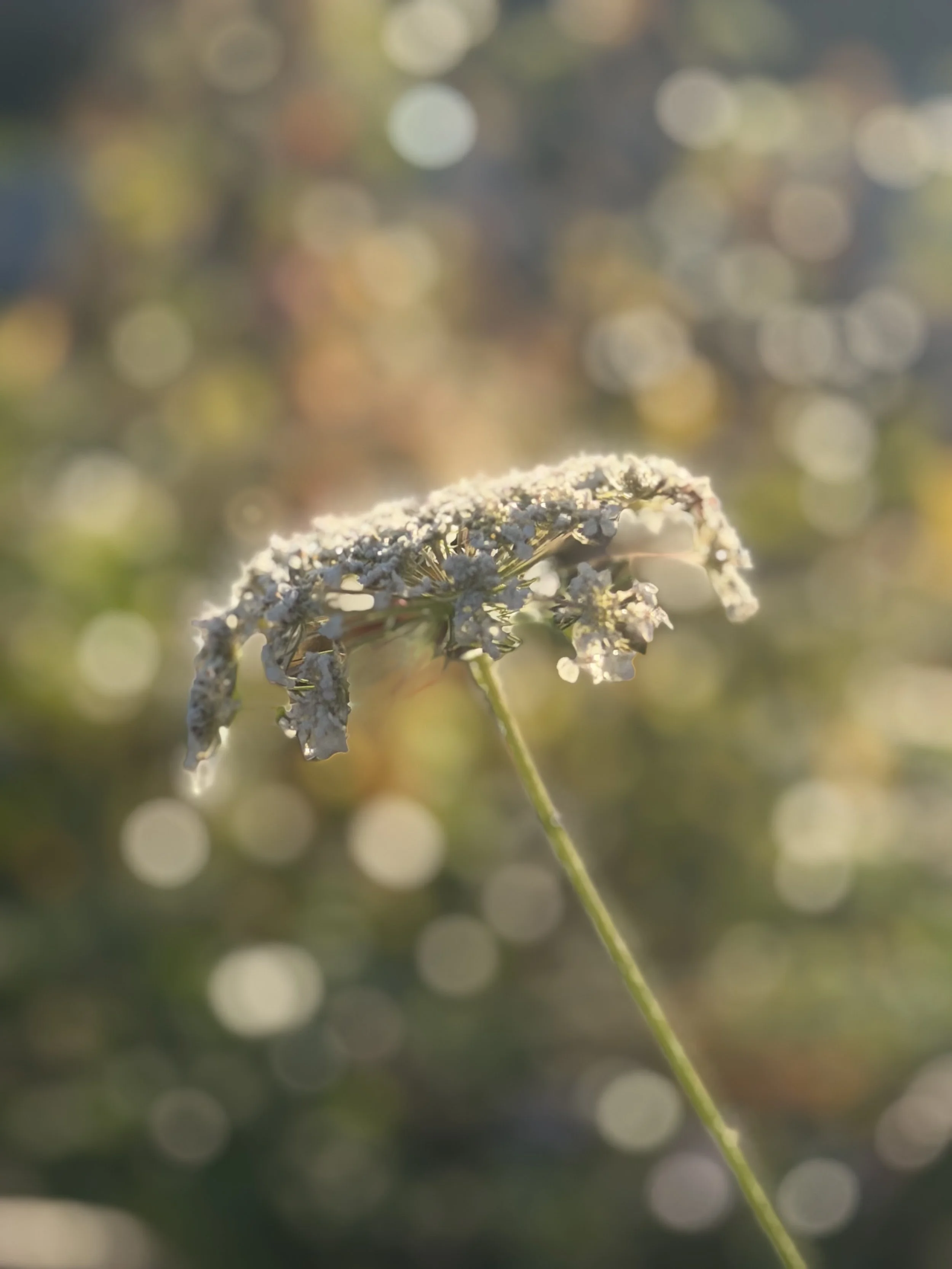
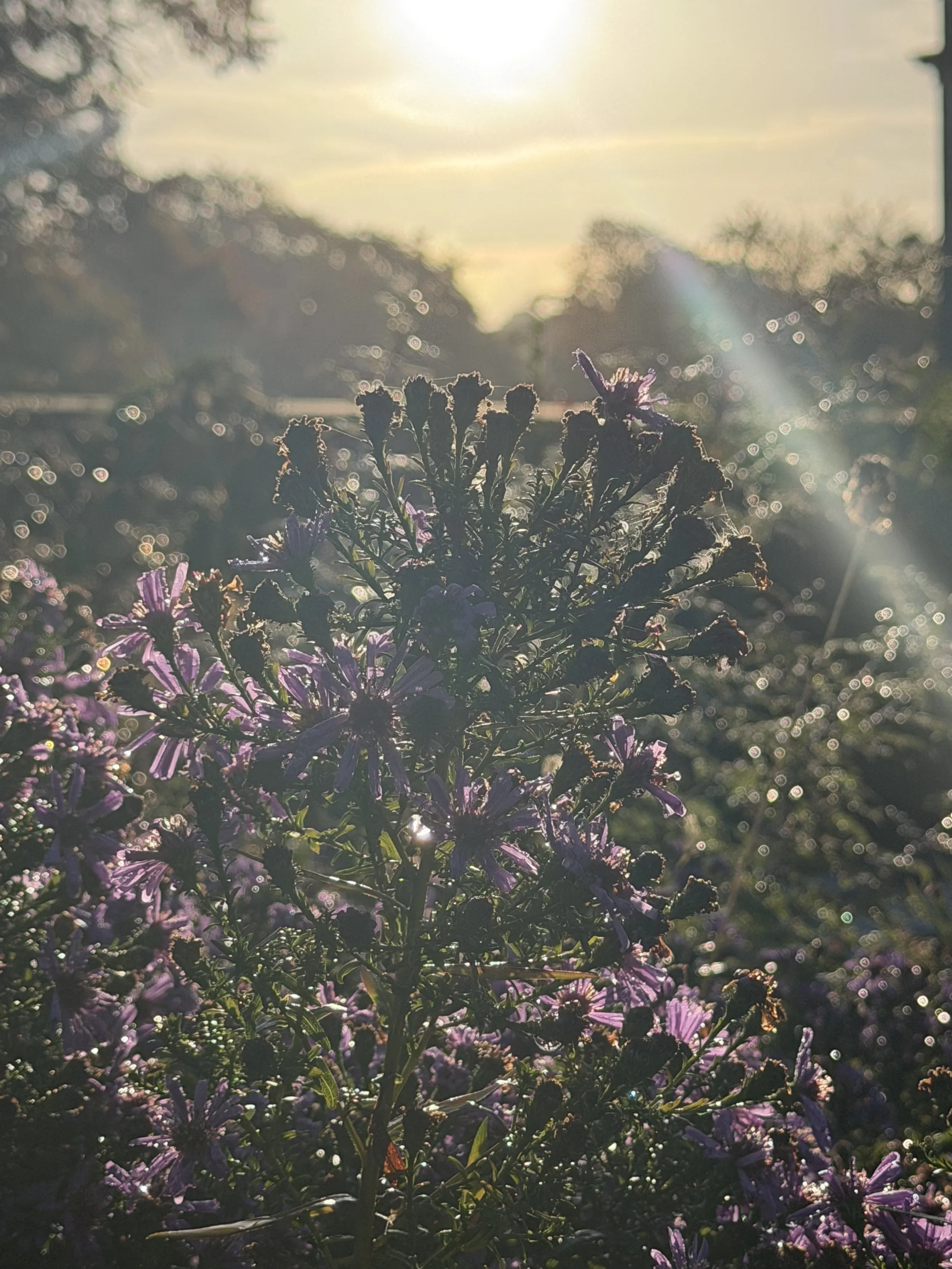
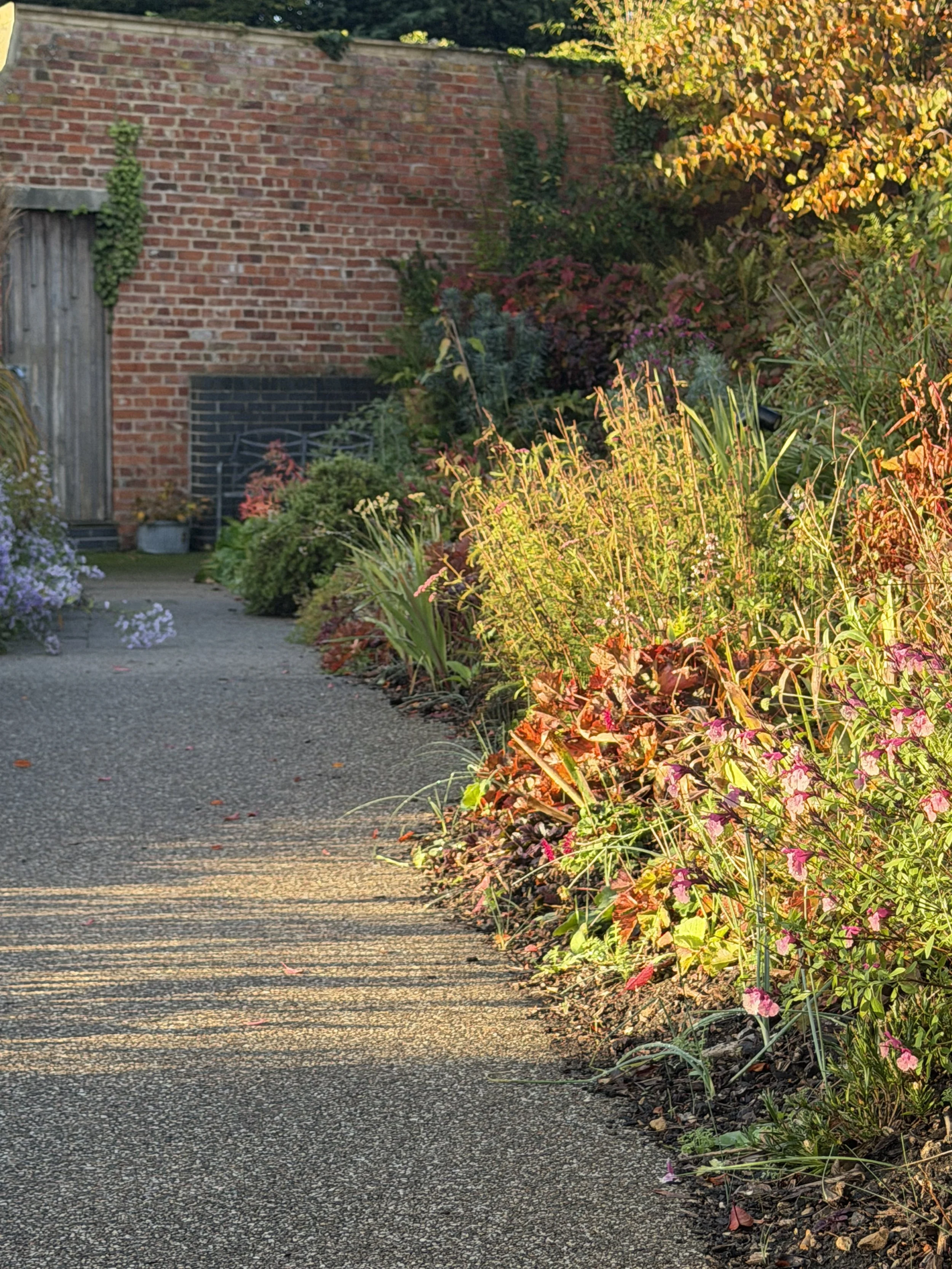
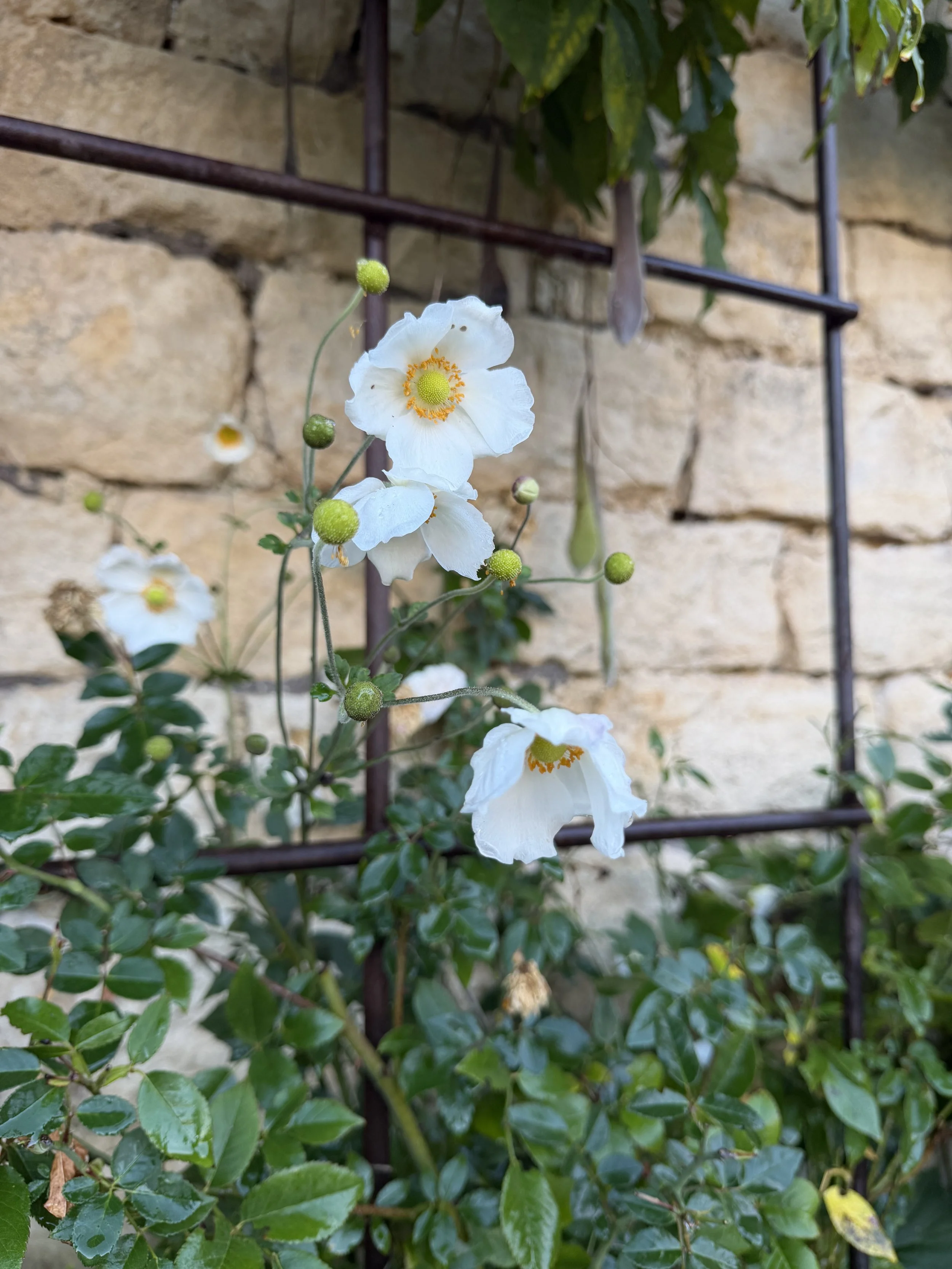
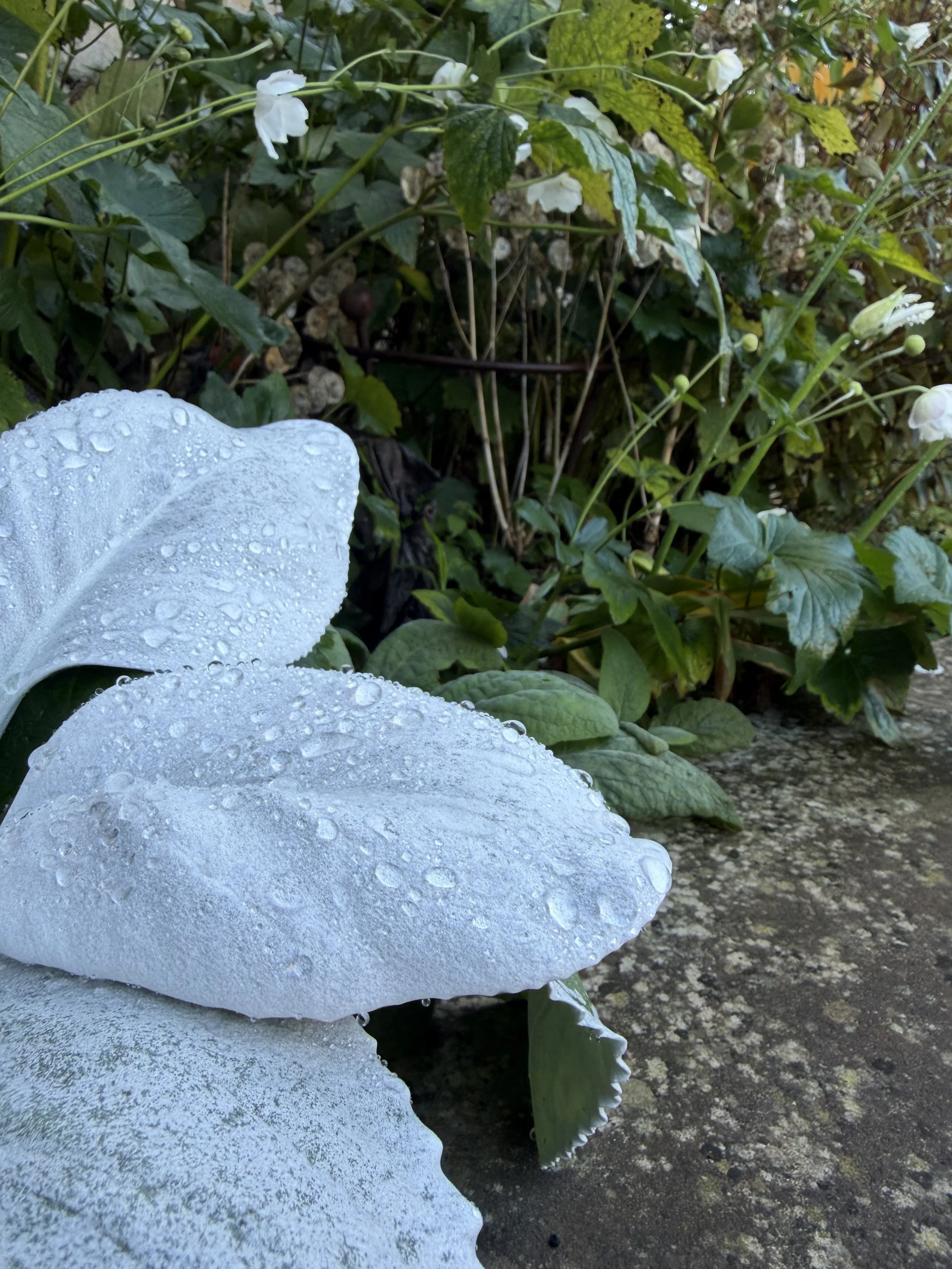
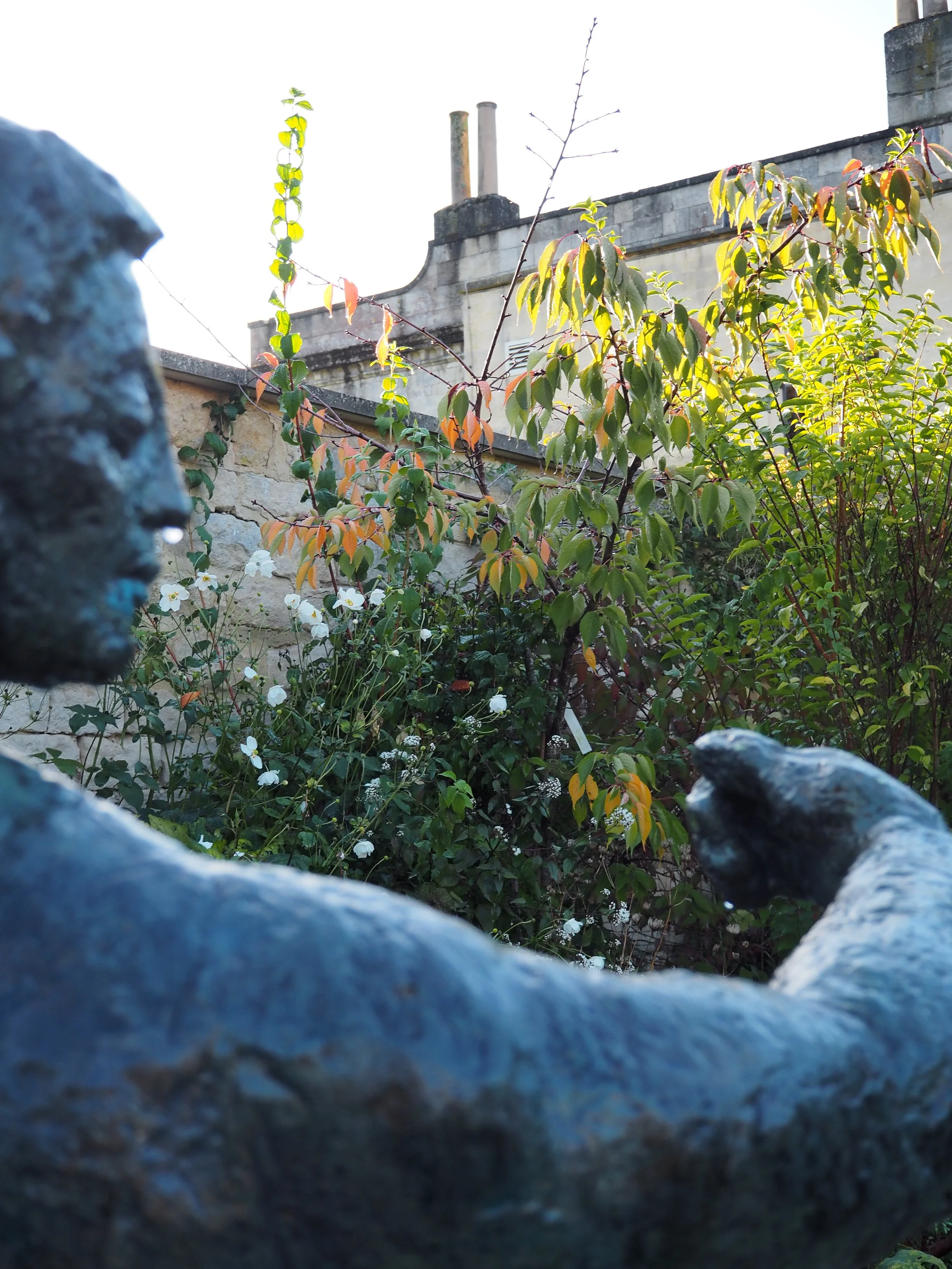
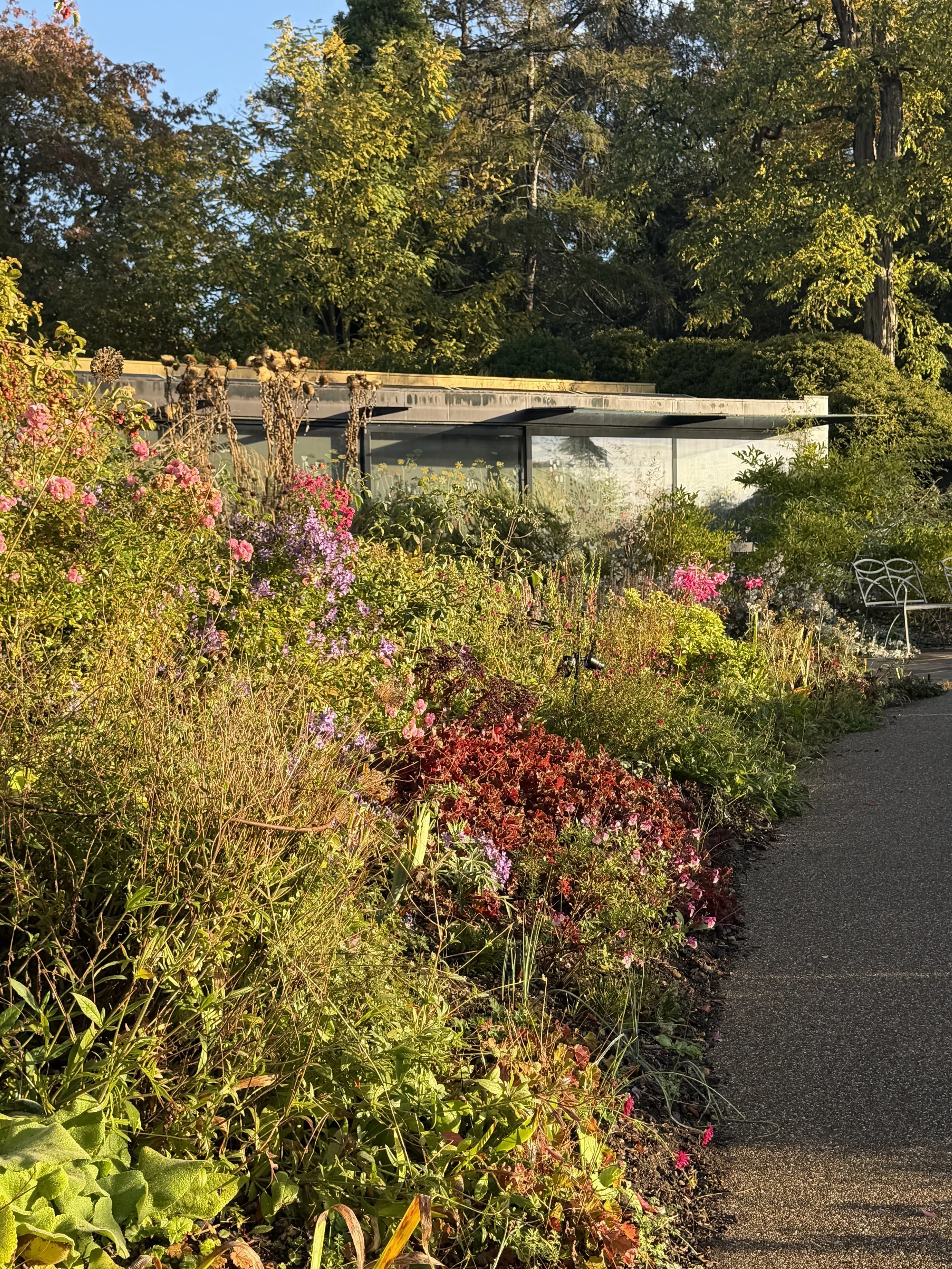
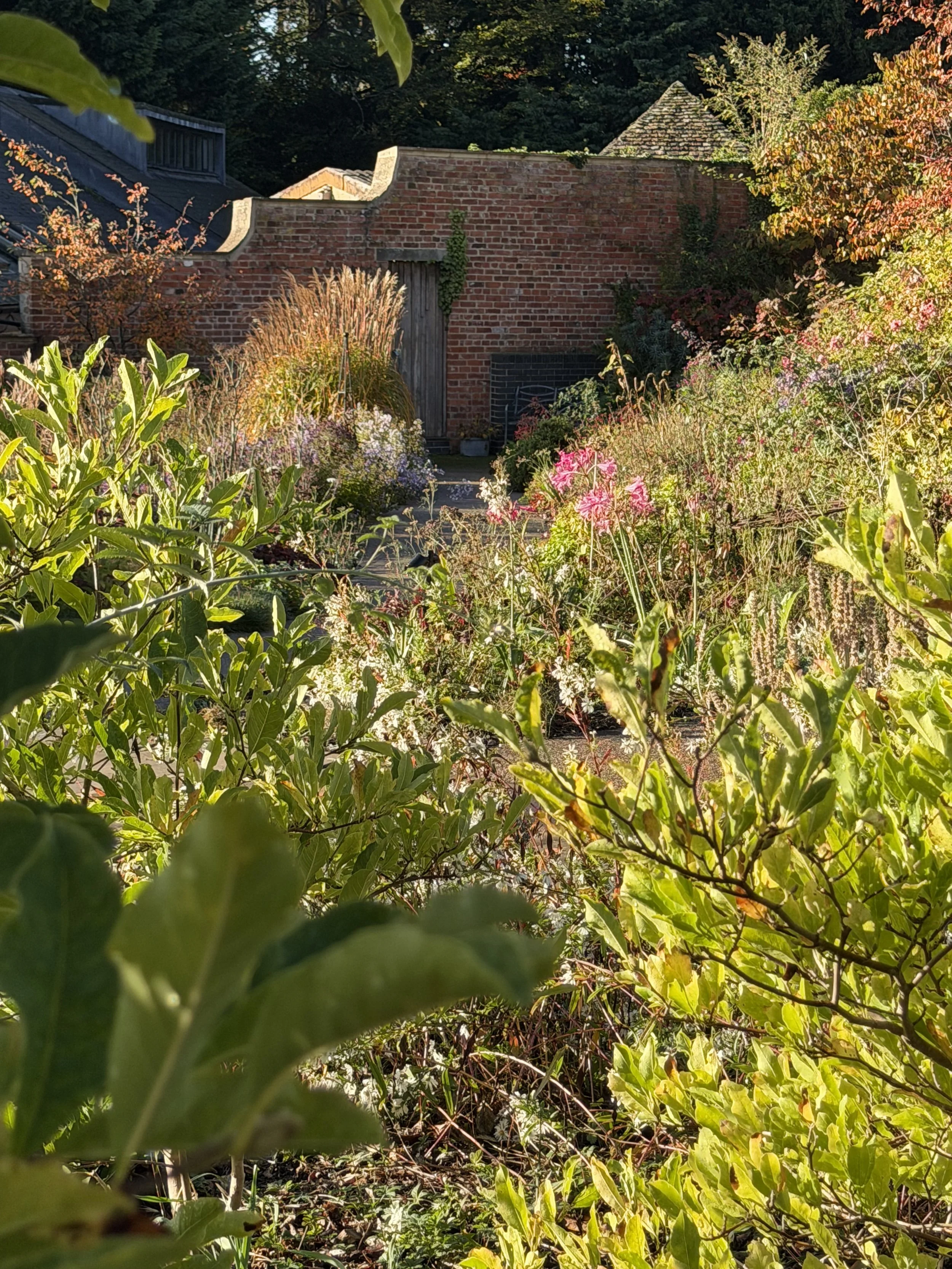
Returning ten years later, it's lovely to see how the Walled Garden has matured.
What was once a collection of drawings, plans and newly planted beds has become an established and much-loved part of the museum. The pathways now wind through mature planting, and the different levels and spaces feel naturally connected, just as we had hoped they would.
It's a garden that rewards wandering rather than rushing. And perhaps that's what we enjoy most about seeing it again: the way people can move through the space at their own pace, finding somewhere to sit, discovering a new view or simply enjoying a quiet moment among the plants.
It's also a reminder that the success of a garden depends on what happens long after the designers have left.
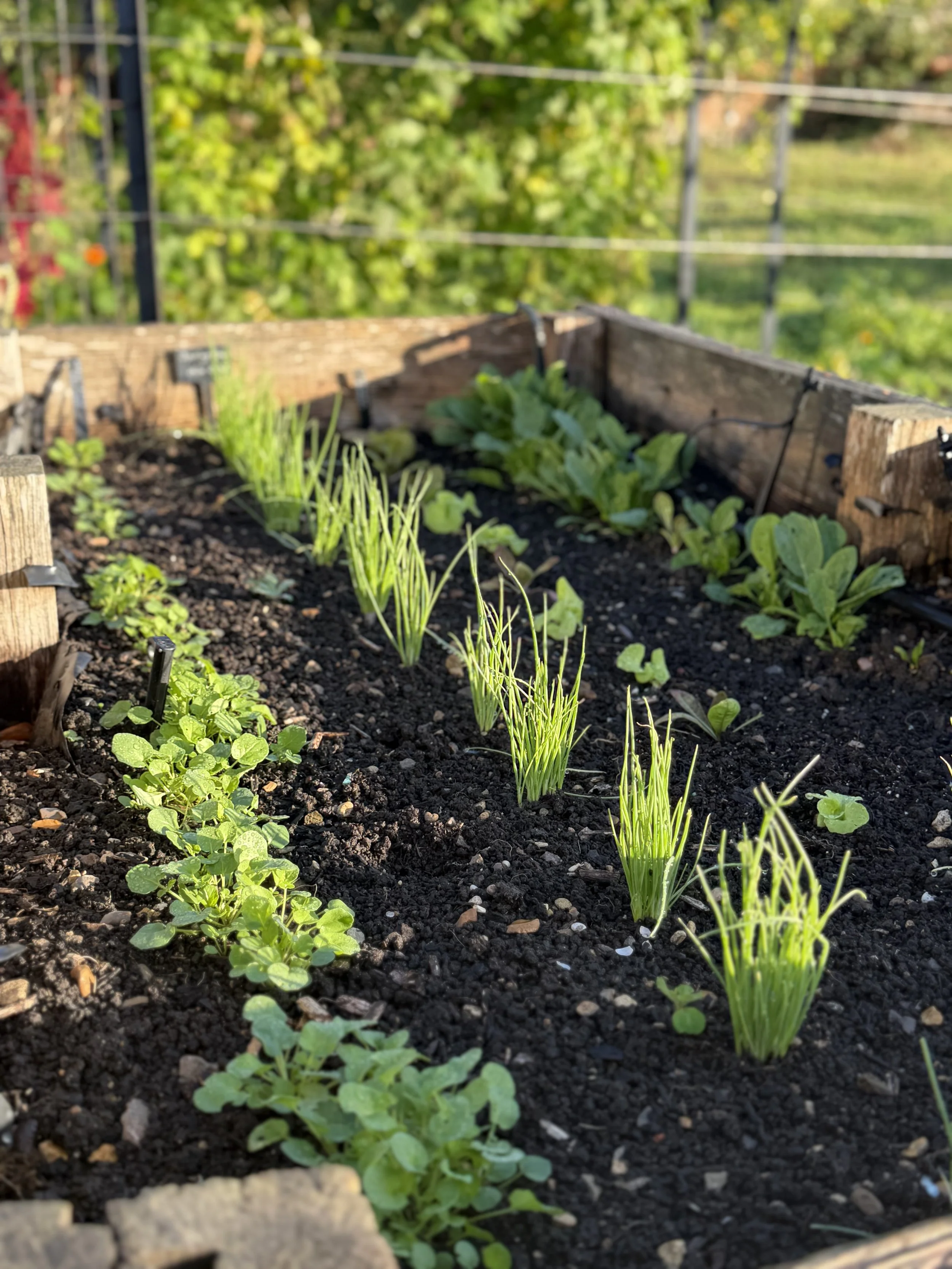
The museum team and its dedicated volunteers have done an extraordinary job of nurturing the garden, developing its planting and making it such a welcoming place for visitors. Their care, knowledge and enthusiasm are written into every corner of it. We may have helped design the space, but they have ensured it has flourished.
A project that helped shape our practice
Looking back over the past ten years, we've been fortunate to work on an enormously varied collection of projects, from individual homes and gardens to public spaces, community buildings and award-winning landscapes.
Yet the Walled Garden remains a particularly meaningful one. It represents so much of what we believe good design should achieve.
Sometimes the greatest value an architect or landscape architect can bring to a project isn't in adding more, but in questioning the original brief, looking beyond the obvious solution and finding a better way to use the resources available.
At the Walled Garden, rethinking an expensive access solution didn't simply help address a budget challenge. It created a more inclusive landscape, more opportunities for people to use and enjoy the garden, and a stronger case for fundraising.
Likewise, reworking the internal arrangement of the building gave the museum greater flexibility without needing a larger footprint. These are decisions that might appear relatively small on a drawing, but their benefits can be felt for decades. It's this kind of joined-up thinking, where architecture, landscape, practical considerations and the needs of future users are all part of the same conversation, that continues to underpin our work today.
Here's to the next ten years
As the Museum in the Park celebrates the Walled Garden's tenth anniversary, we're proud to have played a part in its story.
We're grateful to everyone involved in bringing the original vision to life, to those who helped secure the funding, and to all those who have looked after the garden since.
For us, returning was a chance to reflect on how far we've come, but also on how much of what mattered to us at the beginning still matters today.
Thoughtful design, a respect for nature and heritage, making the most of the resources available, and above all creating places that people genuinely enjoy spending time in.
Ten years on, the garden has grown into something of its own, and that's exactly what we hoped it would do.
Here's to the next ten years of the Walled Garden, and to the many hands that will help it continue to grow.