

Holistic Architecture: Building Lifetime Homes for Wellness, Comfort and Sustainability
In recent years, the way we think about buildings has undergone a profound shift. No longer are homes and workplaces just buildings, at most judged for their appearance or aesthetics or perhaps their energy performance.
Today, a truly successful build project takes a more holistic approach, one that considers the ‘whole system’. It integrates physical, mental and emotional health, as well as being mindful of the environment and also factoring cultural and even spiritual dimensions.
It also supports design that benefits an aging population, promoting ‘cradle to grave’ design, so you can raise a family, suffer a temporary or even permanent disability and in later years still be cared for within your own home, because the layout and features work for everyone for the long term.

Natural Materials: Letting Us Breathe
A core principle of healthy building design is breathable, natural materials. Unlike synthetic, sealed systems that can trap moisture and pollutants – breathable materials will regulate humidity, allow moisture to escape thereby reducing problems such as mould and condensation, which can trigger asthma and other respiratory conditions.
Low Volatile Organic Compounds (VOC) Materials
Natural, low VOC materials such as clay, lime plaster and paints, wood and stone, sheep’s wool or hemp insulation, and the use of metal and plywood will help create a noticeably cleaner and healthier indoor environment. As they release little to no harmful VOC’s, they reduce daily exposure to chemicals, allowing for a cleaner air environment. Free from condensation, black mould and other pollutants. Workable within old buildings or new, and helping everyone to breathe easier, feel calm and comfortable. A smart choice for sustainability, helping people and the planet.
Mechanical Ventilation with Heat Recovery (MVHR) Systems
MVHR systems have become a key feature of healthy building design. They work to continuously remove stale, moisture heavy air while simultaneously supplying a steady stream of clean filtered fresh air. At the same time, they recover heat that would otherwise be lost thereby helping to reduce energy waste. These systems promote a living environment that feels balanced and fresh and can be particularly helpful for those suffering from asthma, COPD, or other weakened immune systems.
Biophilic Design
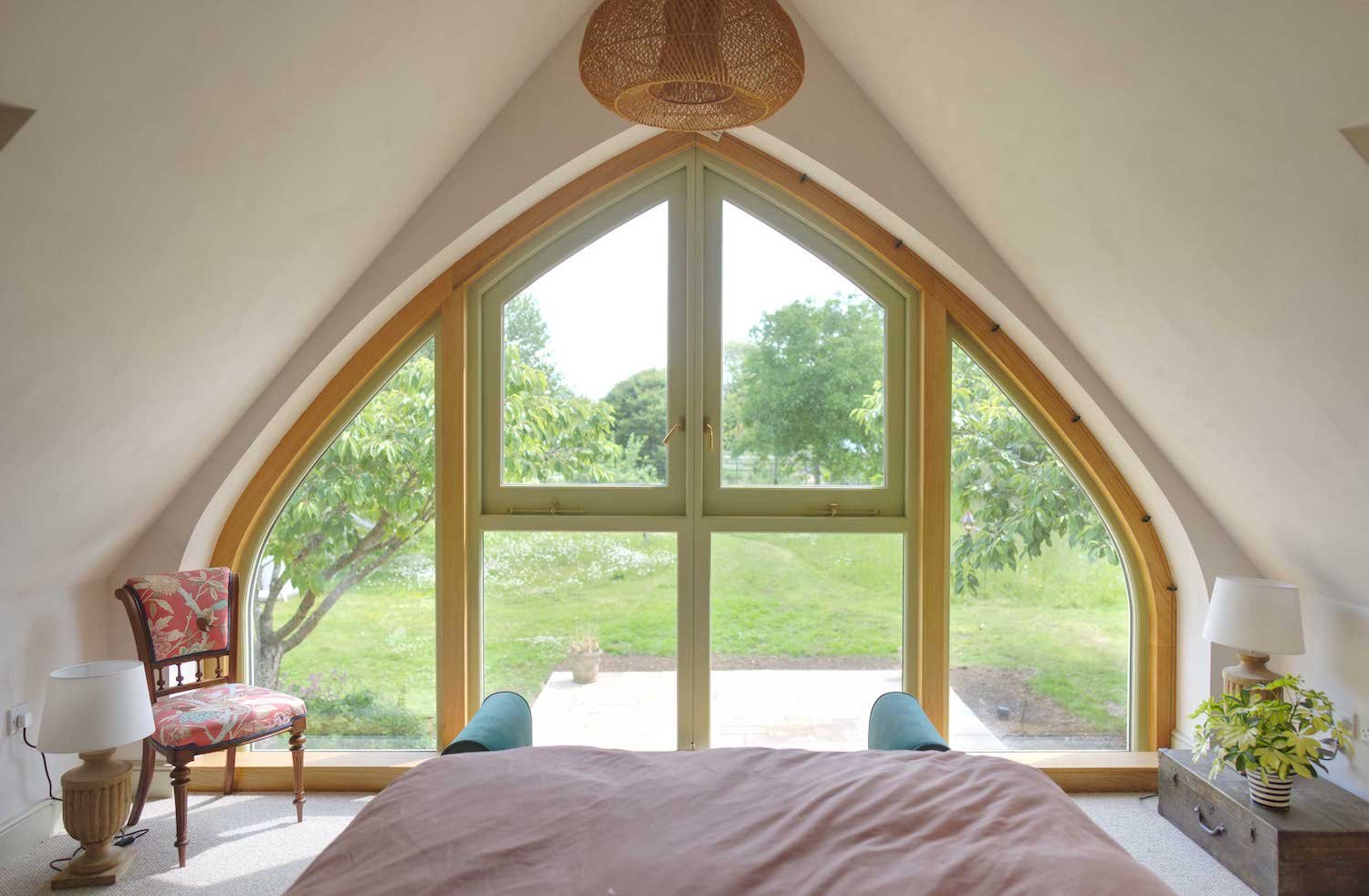
Incorporating biophilic design, our innate human need to connect with nature, can transform a home into a truly health enhancing sanctuary. Creating a healthy building that supports our complete wellbeing.
Biophilic design is an approach to architecture and interiors that intentionally strengthens our visual connection between people and nature within the built environment. Key aspects of biophilic design include maximising natural light to create openness, incorporating indoor plants and greenery to bring living elements into daily spaces, and framing views of nature to promote calm and focus. It also involves using natural materials and textures such as wood, stone, and organic fabrics, integrating nature-inspired forms and patterns, thereby developing a feeling of flow from indoors to outdoors.
By incorporating these features into your design and build, you will secure an environment that improves stress, lowers blood pressure and supports recovery as well as a feeling of long term mindfulness and wellbeing. Qualities that are increasingly valued in high-end design.
Holistic Design: Supporting a Lifetime of Living
A healthy design will be more than a collection of materials and features. It should be a holistic system to support the total being for the long term.
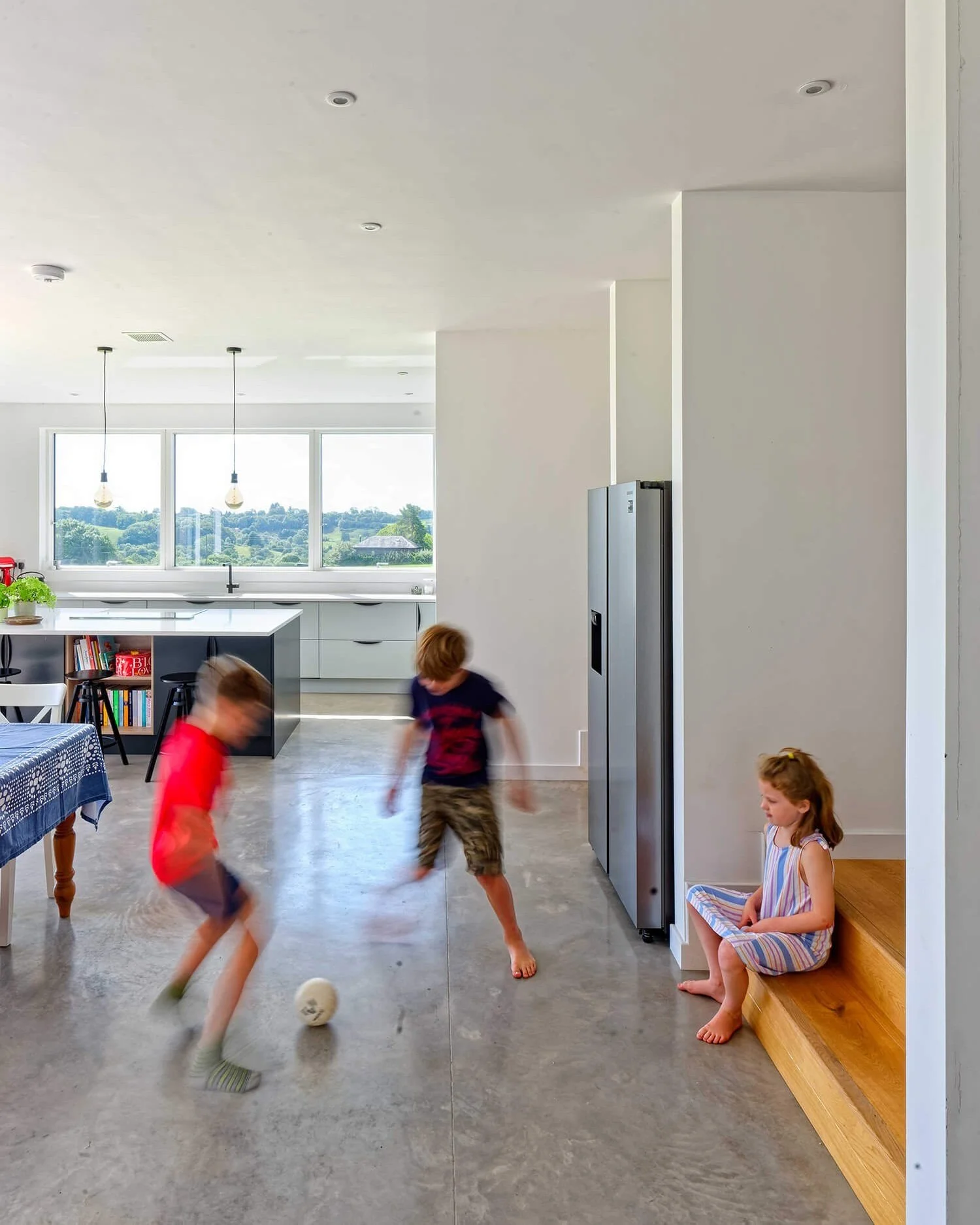
The Lifetime Homes Standard offers a thoughtful approach to “cradle-to-grave” design, ensuring that a home can adapt gracefully through every stage of life. It’s a set of principles that support families as they grow, accommodate temporary or permanent disabilities, and allow homeowners to remain comfortably in place as they age and their needs change.
Consider features such as wider doorways, lower-positioned light switches, accessible ground-floor bathrooms or wet rooms, and flexible spaces. Like a home office that can easily transform into a bedroom, ensuring that the layout works for everyone, whether you’re navigating with a wheelchair, pushing a buggy, or simply planning for long-term comfort and independence.
Healthy Buildings: For A Better Future
Buildings designed with wellness in mind will not only improve ‘your’ quality of life but will also help the environment and support efforts towards global sustainability. Natural materials have a lower environmental impact than others and MVHR systems can contribute to greater energy efficiency.
Healthier buildings are not a trend, they are best practice. By working with breathable materials, clean air technologies, natural designs and longer lifetime usability, we will create spaces that protect our health, enhance our wellbeing and care for the planet for future generations.
Together, these processes will ensure that our buildings meet overall carbon-zero aspirations and align with the RIBA 2030 Climate Challenge which is a set of voluntary performance targets for architects to help reach UK climate goals as well as the UK Architects Declare Climate and Biodiversity Emergency, both of which we are signatories.
Please contact us to find out more about ‘healthy buildings’ and discuss your project.